Most visitors fly into Dublin, but the island has several other useful gateways — and choosing the right one can save a day of travel. Once you are here, the cities are well connected by rail and coach; the Atlantic peninsulas are where a car, a bike or a day tour comes in.
Gateways by air
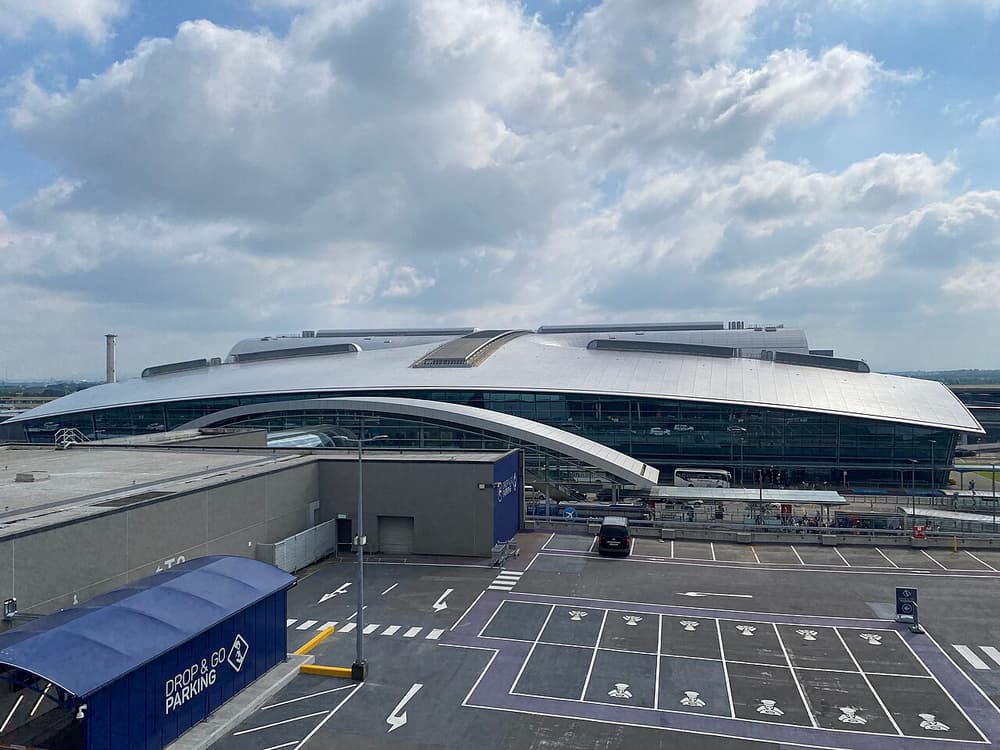
- Dublin (DUB) — by far the largest airport, with flights from across Europe, North America and the Middle East. Frequent coaches run to the city centre (about 30–45 minutes) and direct to Belfast, Cork, Galway and other cities. There is no rail link to the airport.
- Shannon (SNN) — a small, easy airport in the west, near Limerick and about an hour from the Cliffs of Moher. It has some transatlantic and European routes.
- Cork (ORK) — British and European routes; handy for Cork, Kinsale and Kerry.
- Belfast International (BFS) and Belfast City (BHD) — the two airports of Belfast in Northern Ireland; BFS has more European routes, BHD is minutes from the centre and mostly serves Britain.
- Smaller airports — Ireland West (Knock) for Mayo and Sligo, Kerry (Farranfore) for Killarney and Dingle, Donegal (Carrickfinn) and City of Derry, each with a handful of routes.
Travellers to the United States can clear US immigration before departure at Dublin and Shannon, so allow extra time at the airport.
Ferries from Britain and France
Bringing your own car avoids hire-car insurance altogether, and foot passengers can buy combined rail-and-sail tickets from British stations. Routes and operators change, so check current timetables; the main crossings are:
- Holyhead (Wales) – Dublin: the busiest route, about 3 h 15 min.
- Fishguard and Pembroke (Wales) – Rosslare: for the south-east, about 3 h 30 min to 4 hours. If you are combining the trip with Wales, all three ports are good starting points: Holyhead is on Anglesey, close to Snowdonia, and Fishguard and Pembroke Dock are on the Pembrokeshire coast. Our Wales travel guide covers the castles, national parks and coast.
- Cairnryan (Scotland) – Belfast and Larne: the short crossings to Northern Ireland, about 2 hours. If you are combining the trip with Scotland, our Scotland travel guide covers Edinburgh, Glasgow, the Highlands and the islands.
- Liverpool (Birkenhead) – Belfast: a longer crossing of about 8 hours, with overnight sailings.
- France – Ireland: Cherbourg to Dublin and Rosslare all year, and Roscoff to Cork in season; typically overnight crossings of roughly 14 to 19 hours. There is also a sailing between northern Spain (Bilbao) and Rosslare.
Trains
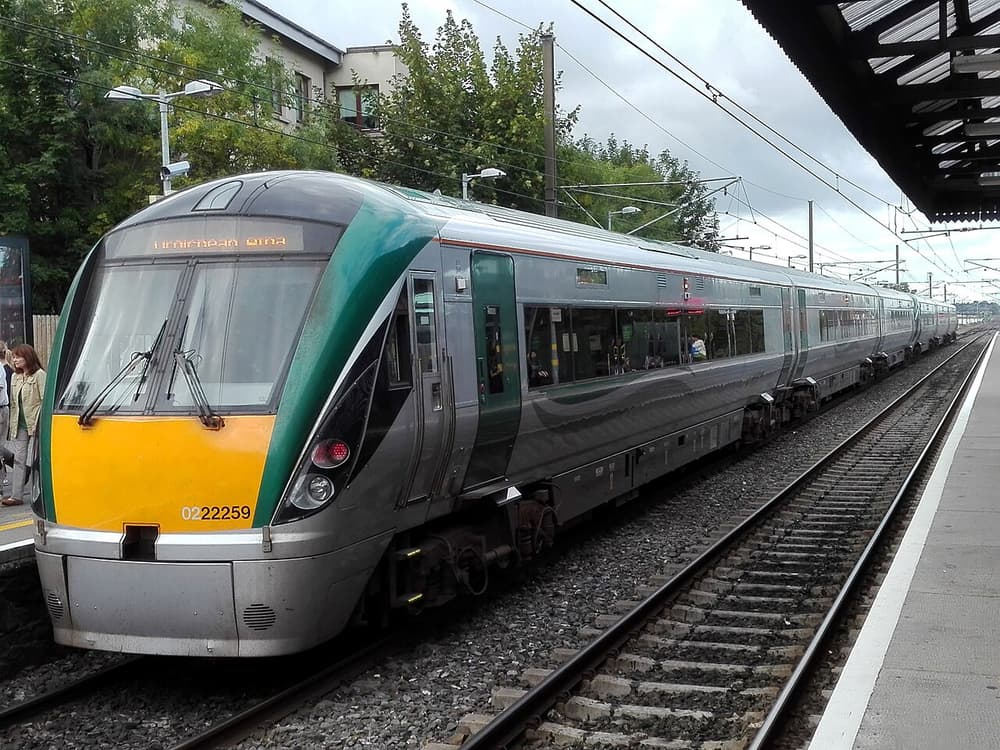
Irish Rail (Iarnród Éireann) runs the Republic’s network, which radiates from Dublin. From Heuston station trains go to Cork, Killarney and Tralee, Limerick, Galway, Westport and Waterford; from Connolly to Belfast, Sligo and Wexford/Rosslare. Book online in advance for the lowest fares and a reserved seat. There are few cross-country lines, so a journey such as Galway to Killarney is slow by rail.
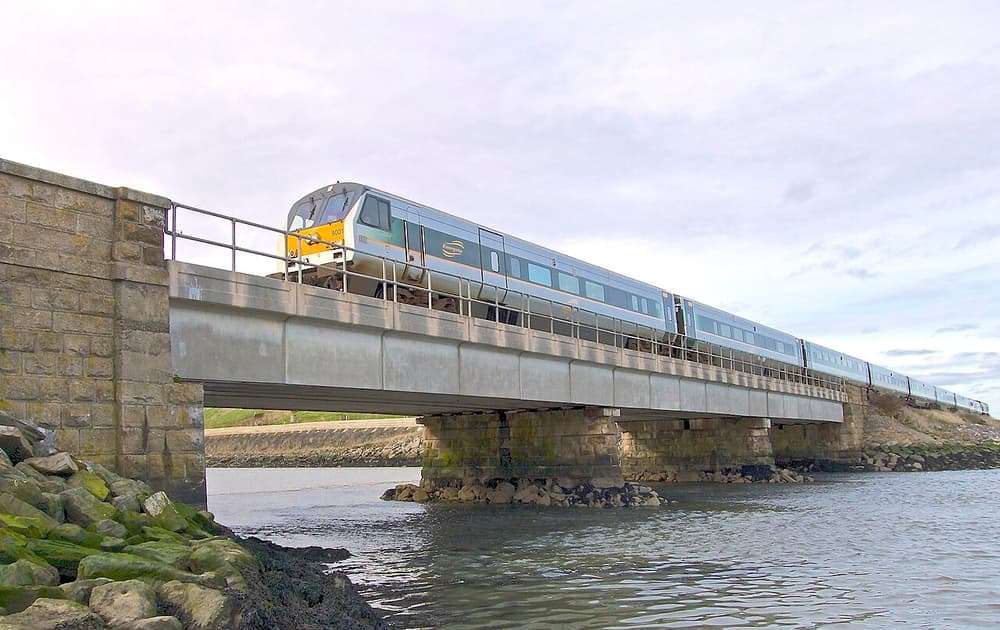
The Enterprise links Dublin Connolly with Belfast in a little over two hours, roughly hourly. In Northern Ireland, Translink runs NI Railways (Belfast to Derry~Londonderry, Coleraine and Portrush, Bangor and Larne) as well as the Ulsterbus and Goldliner coach network and Belfast’s Metro and Glider buses.
Coaches and local buses
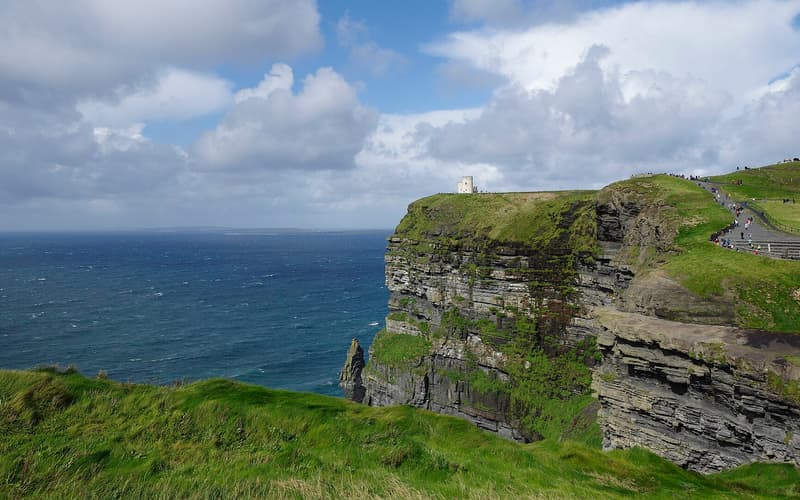
Bus Éireann and its Expressway coaches reach almost every town in the Republic, and private operators run fast motorway services between the main cities and Dublin Airport — often quicker and cheaper than the train. Rural TFI Local Link buses fill some gaps but may run only a few times a day. In summer, seasonal services link places such as Galway, Doolin and the Cliffs of Moher.
| Route | Train | Coach | Car |
|---|---|---|---|
| Dublin – Belfast | ≈2 h 05 min | ≈2 h 15 min | ≈2 h |
| Dublin – Galway | ≈2 h 30 min | ≈2 h 30 min | ≈2 h 15 min |
| Dublin – Cork | ≈2 h 30 min | ≈3 h | ≈2 h 45 min |
| Dublin – Killarney | ≈3 h 15 min | ≈4 h 30 min (change) | ≈3 h 45 min |
| Dublin – Kilkenny | ≈1 h 30 min | ≈1 h 45 min | ≈1 h 30 min |
| Dublin – Limerick | ≈2 h 15 min | ≈2 h 30 min | ≈2 h 15 min |
| Dublin – Sligo | ≈3 h 05 min | ≈3 h 30 min | ≈2 h 45 min |
| Dublin – Westport | ≈3 h 15 min | — | ≈3 h 15 min |
| Galway – Cliffs of Moher | — | ≈2 h (seasonal direct bus) | ≈1 h 30 min |
| Belfast – Giant’s Causeway | train + bus ≈2 h | day tours | ≈1 h 15 min |
Passes and cards
- TFI Leap Card — a reusable smartcard for buses, trams (Luas), DART and commuter rail in Dublin, and for city buses in Cork, Galway, Limerick and Waterford. Fares are lower than cash and are capped daily and weekly. The Leap Visitor Card gives unlimited Dublin travel for 1, 3 or 7 days. The Leap Card is not valid in Northern Ireland.
- Translink tickets — in Northern Ireland, day and multi-day tickets cover buses and trains; check Translink for current products.
- Heritage Card — not a transport pass, but worth knowing: it gives a year’s admission to the state-run (OPW) heritage sites in the Republic, including the Rock of Cashel, Kilkenny Castle and Kilmainham Gaol. Timed tickets must still be reserved where they apply. It is not valid in Northern Ireland, where many sites belong to the National Trust.
Driving: on the left, on narrow roads
- Drive on the left throughout the island. Give way to traffic already on a roundabout, which comes from your right.
- Units change at the border: kilometres and km/h in the Republic, miles and mph in Northern Ireland. Road signs in the Republic are bilingual; in Irish-speaking (Gaeltacht) areas they may be in Irish only — Dingle appears as An Daingean.
- Rural roads are narrow, often with stone walls or hedges on both sides and no verge. Expect tractors, cyclists, sheep and tour coaches. Use passing places, and reverse to one if you meet a larger vehicle.
- Speed limits are limits, not targets. A posted limit on a twisting back road is often far faster than is safe. Plan on averaging 50–60 km/h away from the motorways.
- Tolls: several motorways in the Republic have toll plazas that take cards and cash. Dublin’s M50 ring road is barrier-free — the toll must be paid online or in a shop by the following evening, or the hire company will bill you with a fee. There are no tolls in Northern Ireland.
- Fuel and charging: fill up before remote stretches such as west Donegal or the Kerry peninsulas, where stations are scarce and close early.
- Alcohol: limits are low and strictly enforced. Do not drink and drive.
Car hire: the insurance pitfalls
Car hire in Ireland has a reputation for surprises at the desk. Know these before you book:
- CDW and the excess: the quoted price normally includes collision damage waiver, but with an excess — the amount you pay if the car is damaged — that often runs to four figures. The company will block that amount on a credit card.
- “Super CDW”: sold at the desk to cut the excess to zero or near it. It can add substantially to the daily cost. Stand-alone excess insurance bought beforehand is usually cheaper, but you still need a credit card for the deposit and must claim back afterwards.
- Credit-card cover: some card-based car-hire insurance policies exclude Ireland. If you plan to rely on one, get written confirmation that it covers the Republic of Ireland (and Northern Ireland if relevant) and bring it with you.
- Card in the driver’s name: most companies require a credit card, not a debit card, in the main driver’s name.
- Tyres, glass and underbody are commonly excluded from basic cover — exactly what suffers on stone-walled lanes.
- Automatic cars are fewer and cost more; reserve early. Choose the smallest car that fits your luggage.
- Crossing the border: tell the company if you will drive between the Republic and Northern Ireland. It is usually allowed, sometimes for a fee.
- Age limits: drivers under 25 and over about 75 may face surcharges or restrictions.
Without a car
A car-free trip is entirely realistic: travel between cities by train or coach and use day tours for the countryside. Cycling is a pleasure on the traffic-free greenways — the Great Western Greenway in Mayo and the Waterford Greenway are the best known. Taxis are plentiful in cities and can be booked by app; in rural areas, arrange them ahead.