Ireland is an easy country to travel in: English-speaking, safe, compact and famously sociable. The only real complication is that the island contains two jurisdictions, and a few rules change when you cross from one to the other.
Two jurisdictions: entry rules
Rules change — always confirm with official sources before you travel: the Irish Immigration Service for the Republic of Ireland, and the UK government (gov.uk) for Northern Ireland. What follows is general orientation, not legal advice.
Republic of Ireland
- Ireland is in the EU but not in the Schengen area. A Schengen visa does not allow entry to Ireland, and time spent in Ireland does not count towards Schengen limits.
- EU, EEA and Swiss citizens can enter with a passport or national identity card. British citizens do not need a visa.
- Citizens of many other countries — including the United States, Canada, Australia and New Zealand — can visit without a visa for up to 90 days, at the discretion of the immigration officer. Others must apply for an Irish visa in advance.
Northern Ireland (United Kingdom)
- Northern Ireland follows UK immigration rules. Most visitors who do not need a UK visa — including citizens of EU countries, the US, Canada and Australia — now need a UK Electronic Travel Authorisation (ETA), applied for online before travel, to enter any part of the UK. This applies even if you arrive overland from the Republic, where there are normally no checks.
- Irish citizens do not need an ETA. There are limited exemptions for some legal residents of Ireland; check whether they apply to you.
- Visitors who need a visa for the UK must have one to enter Northern Ireland; an Irish visa is not sufficient, with narrow exceptions under a joint visa scheme for certain nationalities.
In practice: if your trip includes Belfast, the Causeway Coast or even a day tour to the Giant’s Causeway from Dublin, check both sets of rules and carry your passport.
Money
- Republic of Ireland: euro (€). Northern Ireland: pound sterling (£). Some shops near the border accept both, at poor rates.
- Cards and contactless payments are accepted almost everywhere, including on Dublin buses with a Leap Card and in most taxis. Carry a little cash for rural pubs, small B&Bs, honesty boxes and market stalls.
- Northern Irish banks issue their own sterling notes. They are legal currency throughout the UK but can be awkward to spend in Britain — use them up or swap them before you leave.
- ATMs are easy to find in towns; fewer remain in villages.
Costs
Ireland is one of the dearer countries in Europe, and accommodation is the largest cost. Dublin hotel rates rise sharply at weekends and around concerts and sports events; small west-coast towns fill in July and August. The figures below are rough guides for 2026 and vary widely — check current prices.
| Item | Typical cost |
|---|---|
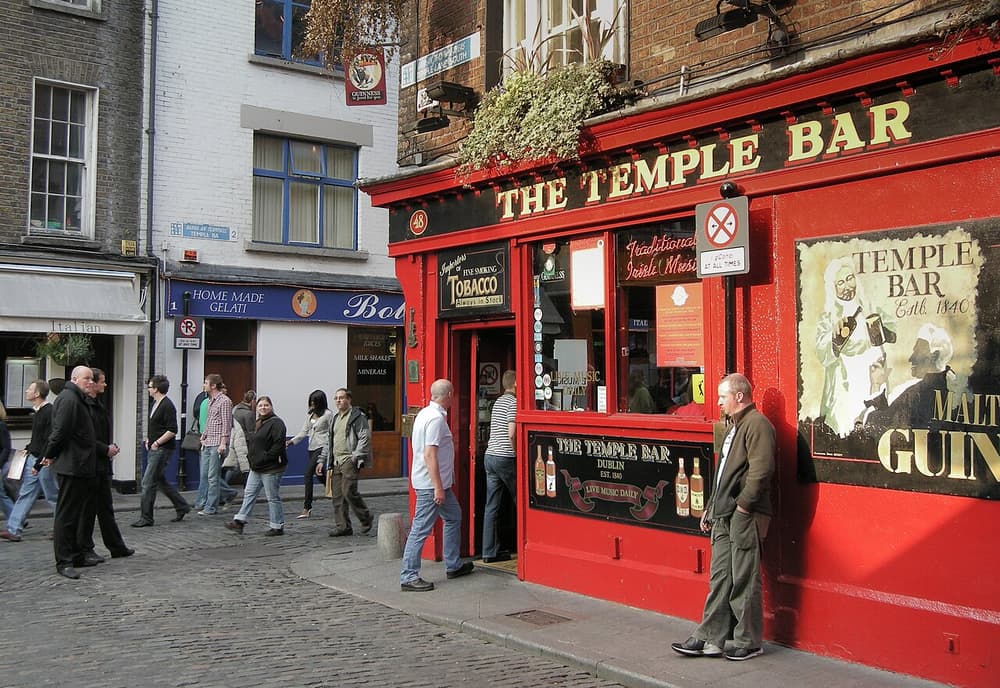
| Pint of stout in a pub | around €6–8; more in Dublin’s Temple Bar |
| Pub main course | around €16–24 |
| Dinner for two with wine, mid-range | around €90–130 |
| B&B double room, rural | from around €100–150 |
| Mid-range hotel double, Dublin | often €180–300+, much more on peak nights |
| Major attraction ticket | around €15–35 |
| Full-day coach tour | around €45–85 |
| Intercity train, booked ahead | from around €15–35 each way |
Tipping
Tipping is appreciated but lower-key than in North America. In restaurants, 10–15% is usual for good table service if no service charge has been added — check the bill. Nobody tips for drinks ordered at the bar. Round up taxi fares; tip tour guides and drivers a few euros or pounds if you enjoyed the day.
Pubs and trad-music etiquette
- Order at the bar. Table service is the exception, except where food is served.
- Rounds: in a group, each person takes a turn buying drinks for everyone. If someone buys you one, you are in the round.
- Stout takes time. A pint is poured in two stages; wait for it to settle.
- Sessions are not concerts. A trad session is musicians playing for each other, usually unpaid and unamplified. Listen, applaud between sets, keep conversation low near the players — and do not take the empty seat among them, which is being kept for a musician. Do not join in unless invited.
- If someone sings unaccompanied, the whole pub falls silent. Follow suit.
- Children are generally welcome in pubs during the day and early evening when accompanied by an adult, but must leave later in the evening by law.
- Closing time comes earlier than many visitors expect: normally around 11.30 pm on weeknights, later at weekends and in late bars.
Food and drink
Irish food has improved out of all recognition. Look for seafood on the west coast (oysters in Galway, crab and chowder everywhere), lamb and beef, farmhouse cheeses, soda bread and the full Irish breakfast — in the North, the Ulster fry with soda and potato bread. Cork’s English Market and Belfast’s St George’s Market are the best food markets. Vegetarian options are standard; vegan choice is good in cities and patchier in the countryside. Tap water is safe to drink.
Safety and sensitivities
- Ireland is generally very safe. Take normal city precautions against pickpockets and phone snatching in central Dublin, and avoid leaving anything visible in a parked car at beauty spots.
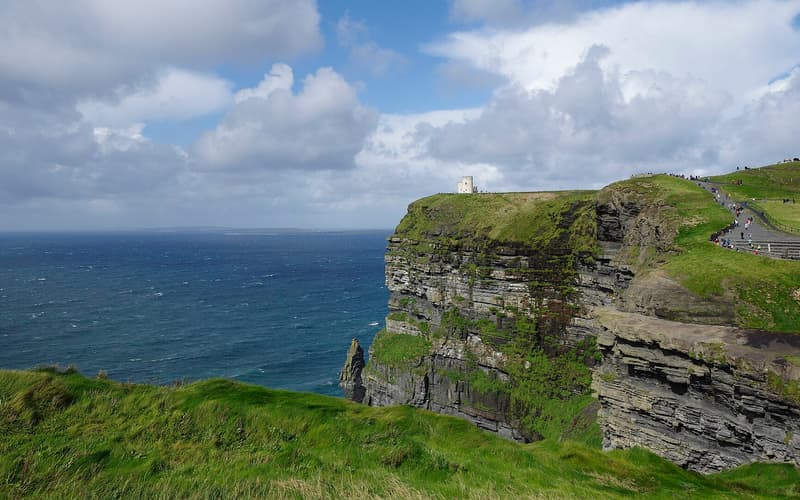
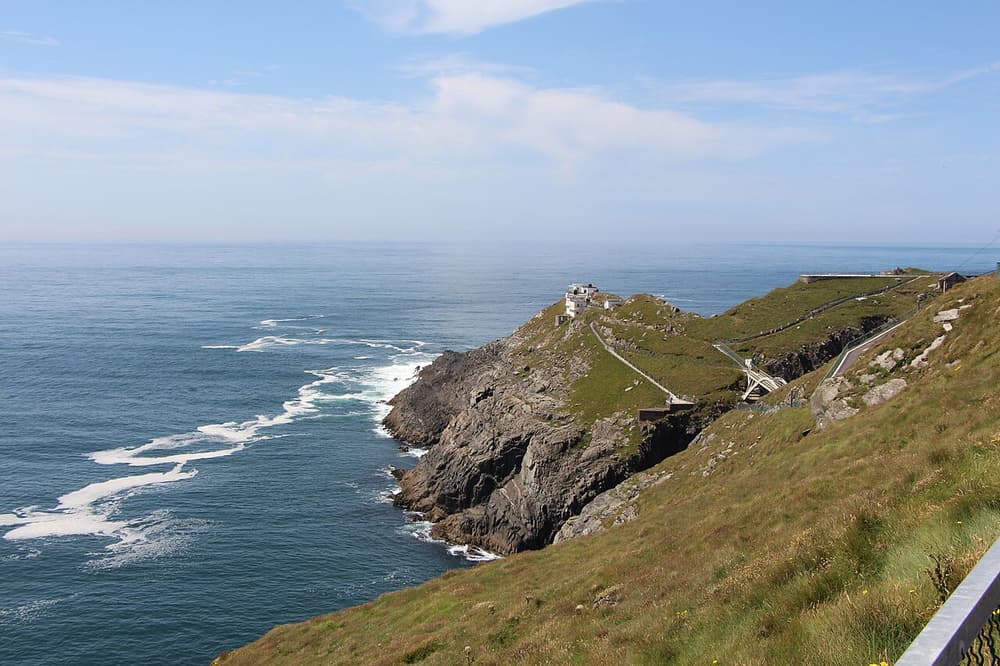
- The real hazards are natural: cliff edges with no barriers, sudden gusts, incoming tides and fast-changing mountain weather. Keep back from edges at the Cliffs of Moher and Slieve League, and take a map, waterproofs and warm layers on any hill walk.
- Northern Ireland is peaceful and welcoming. Its recent history is still personal for many people; listen more than you opine, and note that flags, murals and place names (Derry / Londonderry) carry meaning. Around the 12th of July there are parades and bonfires, and some businesses close for a day or two.
- Emergency number: 112 or 999 in both jurisdictions.
Health
Pharmacies are everywhere and pharmacists give good advice on minor problems. EU residents should carry a European Health Insurance Card for the Republic; UK residents should check current reciprocal arrangements; everyone else needs travel insurance with medical cover. No vaccinations are required.
Connectivity and power
- Mobile coverage is good in towns and along main roads, and patchy in mountains and on remote coasts. Download offline maps before heading to Donegal or the Kerry peninsulas.
- EU roaming rules apply in the Republic. Northern Ireland is on UK networks, so check whether your plan treats it as a different zone — phones near the border can switch networks without warning.
- Free Wi-Fi is standard in hotels, B&Bs, cafés and on many intercity trains and coaches.
- Power sockets are the three-pin British type (type G), 230 V, in both jurisdictions.
Language
English is spoken everywhere. Irish (Gaeilge) is the first official language of the Republic and the everyday language of the Gaeltacht areas, including parts of Kerry, Galway and Donegal, where road signs may be in Irish only. A few words — sláinte (cheers), go raibh maith agat (thank you) — go down well.
What to pack
- A properly waterproof jacket with a hood, whatever the month. Umbrellas lose to the wind on the west coast.
- Layers: a warm mid-layer even in July, when evenings can be cool.
- Walking shoes with grip, ideally waterproof, for wet grass, limestone and cliff paths.
- A type G plug adaptor, sunscreen (the breeze hides the burn) and, for summer in the west, midge repellent.
Accessibility
Modern attractions such as Titanic Belfast, the Guinness Storehouse, EPIC and the Cliffs of Moher visitor centre are designed to be step-free, and the Giant’s Causeway has an accessible shuttle bus to the stones. Historic sites are harder: castle towers, the Rock of Cashel’s uneven ground, Skellig Michael’s steps and Carrick-a-Rede’s bridge are not accessible to wheelchair users. Intercity trains take wheelchairs, but it is wise to give notice. Ask accommodation specifically about ground-floor rooms — many B&Bs have none.