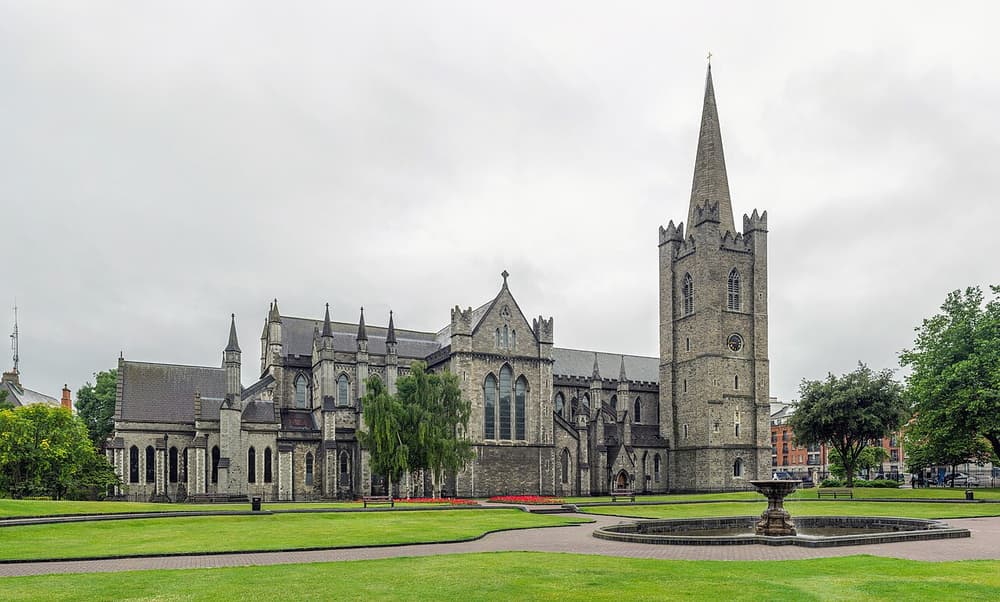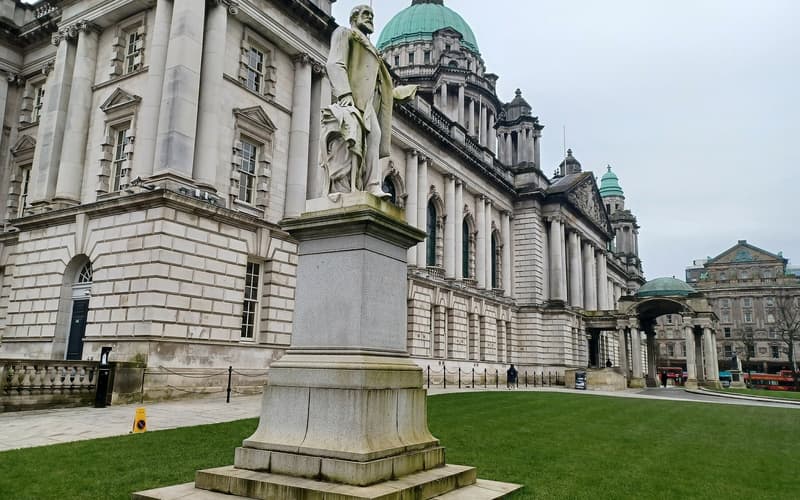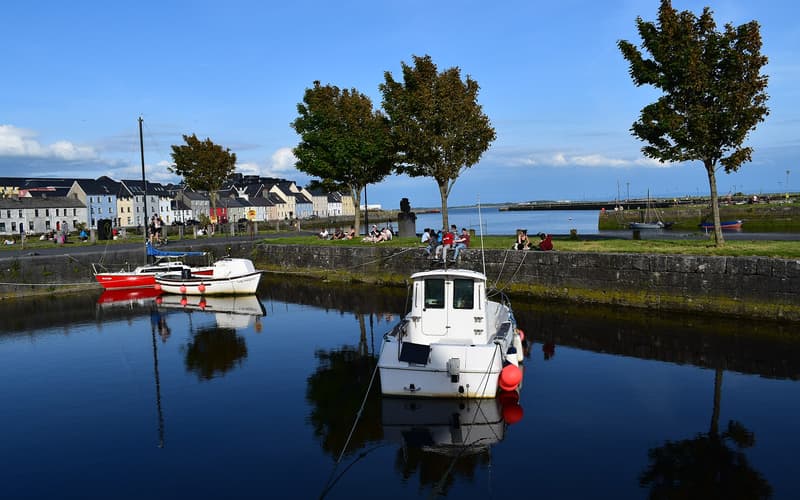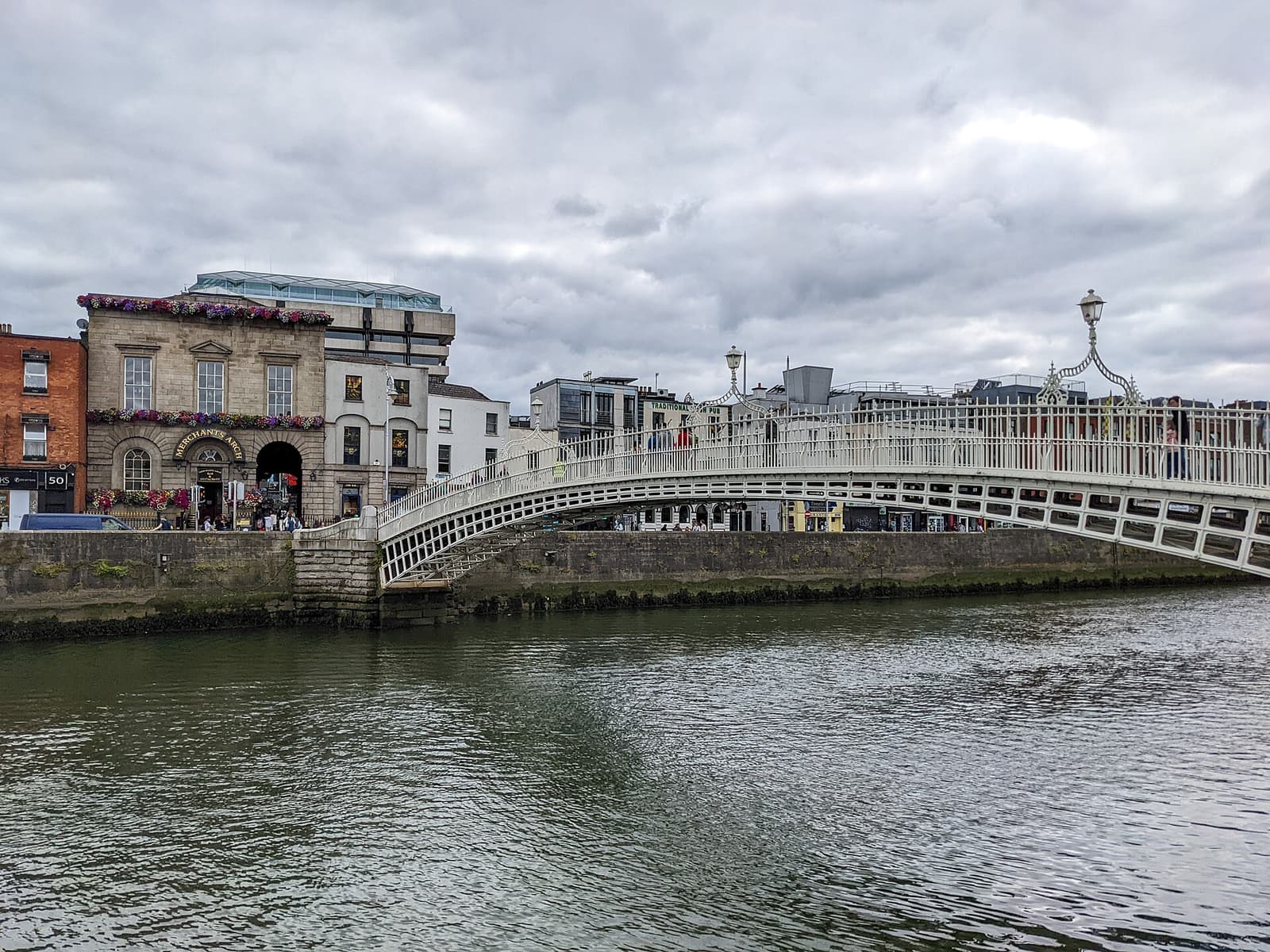
Dublin is where most visits to Ireland begin, and it deserves more than a jet-lagged afternoon. Founded by Vikings on the River Liffey, rebuilt in brick by the Georgians and scarred and remade by the struggle for independence, it is a city you read as much as look at — in its library, its gaol, its theatres and its bars.
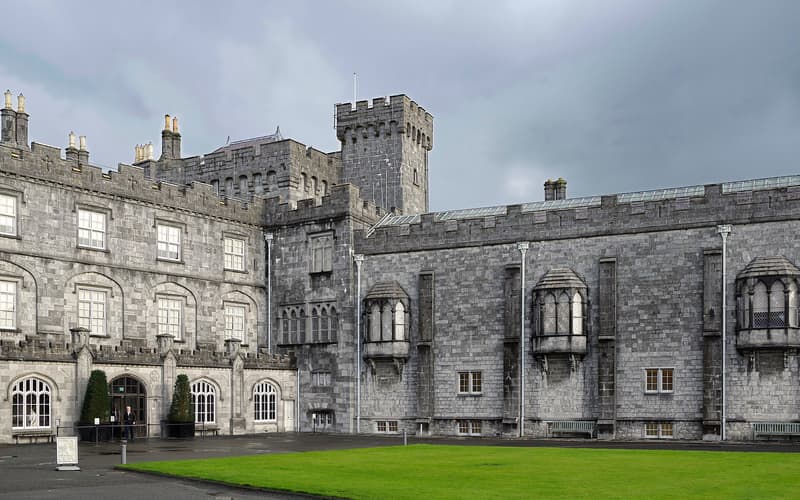
The centre is small. Almost everything a first-time visitor wants lies within a half-hour walk of O’Connell Bridge: Trinity College and the Book of Kells, Dublin Castle, the two medieval cathedrals, the free national museums and the pubs of Temple Bar and beyond. Kilmainham Gaol and the Guinness Storehouse are a short tram or bus ride to the west. Dublin is also the island’s day-trip hub, with coaches leaving every morning for Glendalough and Kilkenny, the Cliffs of Moher and the Giant’s Causeway.
Highlights
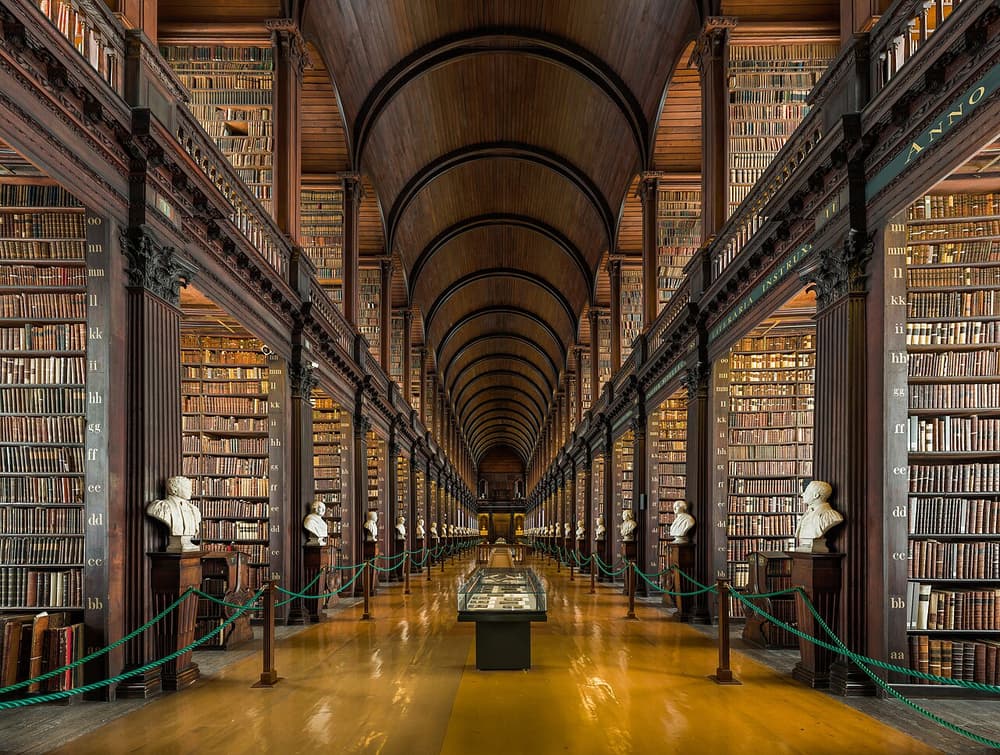
- The Book of Kells and Trinity College — a ninth-century illuminated gospel in Ireland’s oldest university.
- Kilmainham Gaol — the prison where the leaders of the 1916 Rising were held and executed. Book well ahead.
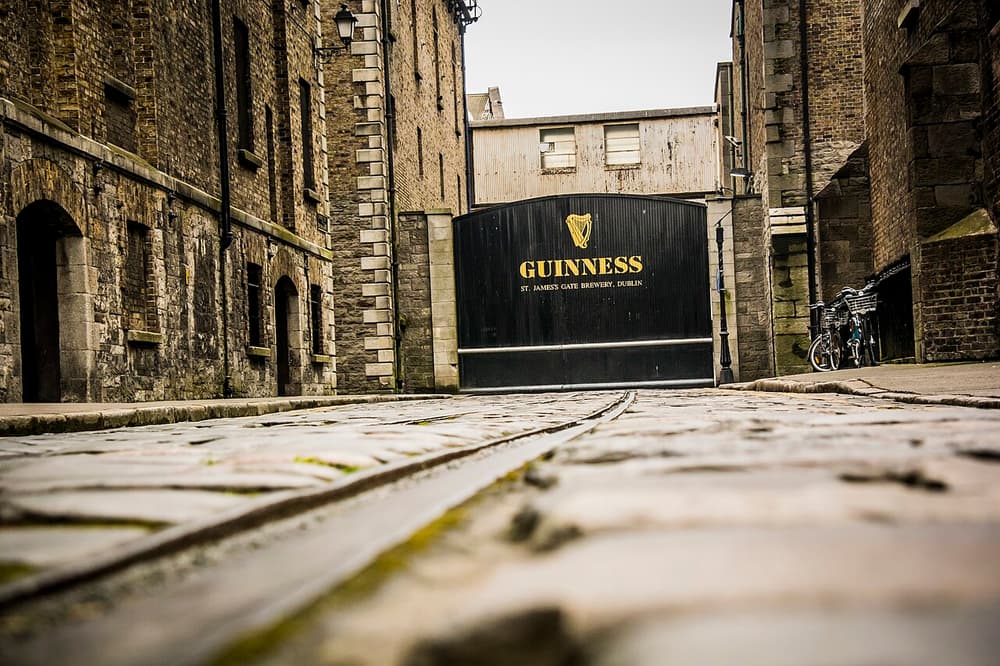
- Guinness Storehouse — the story of the stout, ending with a pint in the rooftop Gravity Bar.
- EPIC The Irish Emigration Museum — why ten million people left, and what they did next.
- Georgian Dublin — Merrion Square, St Stephen’s Green and the free National Gallery and National Museum.
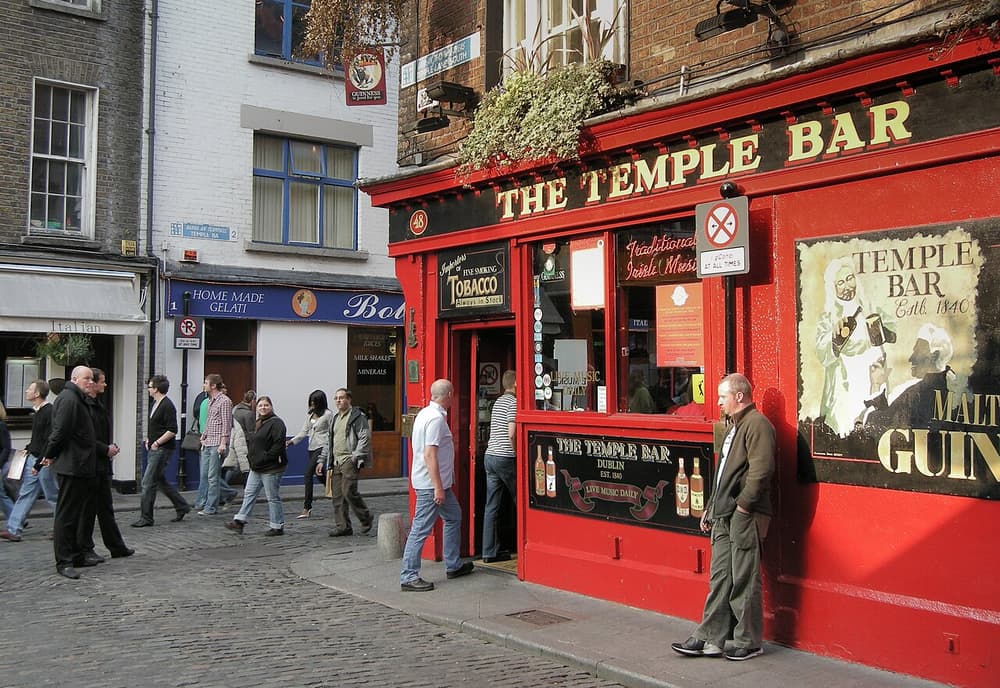
- A proper pub — and a seat at a traditional music session.
Quick facts
| Where | East coast of Ireland, at the mouth of the River Liffey |
|---|---|
| Jurisdiction | Republic of Ireland — euro (€), km/h |
| Gateway | Dublin Airport (DUB), about 10 km north of the centre; ferries from Holyhead |
| Ideal stay | 2–3 nights, plus a night for each day trip |
| Best for | History, museums, pubs and music, literature, day tours |
| Getting around | On foot, Luas tram, DART coastal rail and buses (Leap Card) |
How long to stay & where to base yourself
Give Dublin two full days at least: one for Trinity, the castle and cathedrals and the museums around Merrion Square, one for Kilmainham Gaol and the Guinness Storehouse. A third lets you ride the DART to the fishing village of Howth or to Dalkey, or take a day tour. Stay between St Stephen’s Green and the Liffey if you can — the south city centre is the most convenient base — or in the Docklands or around Smithfield for better value. Temple Bar is lively and loud; sleep nearby, not in it.