Dublin’s sights divide neatly in two: the walkable historic core south of the river, and the cluster around Kilmainham and the Guinness brewery about 3 km west. Plan one day for each. The national museums and the National Gallery are free.
1 Trinity College & the Book of Kells
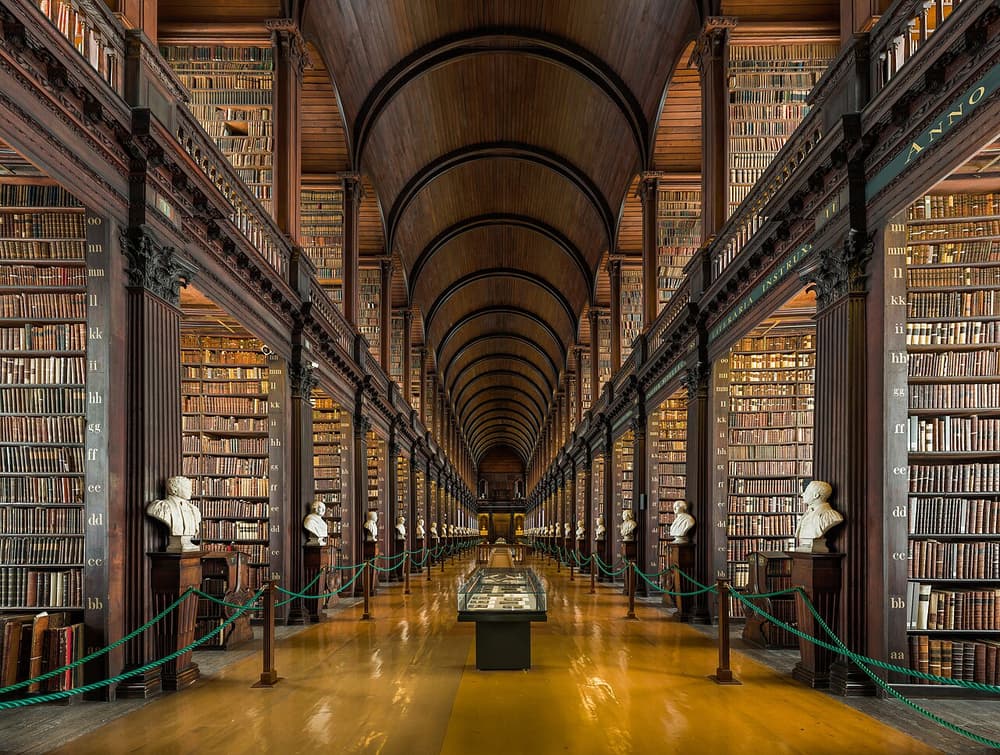
Founded in 1592, Trinity is a walled world of cobbled squares in the middle of the city. Its treasure is the Book of Kells, a gospel manuscript illuminated by monks around the year 800, shown with an exhibition on how it was made. The visit continues to the Long Room, the barrel-vaulted hall of the Old Library. A long-term conservation project is under way and most of the books have been removed from the Long Room’s shelves for now; the room itself remains extraordinary.
Practical: Timed tickets from Trinity College’s website; book ahead in summer. Allow 1–1.5 hours. Walking through the college grounds is free.
2 Guinness Storehouse
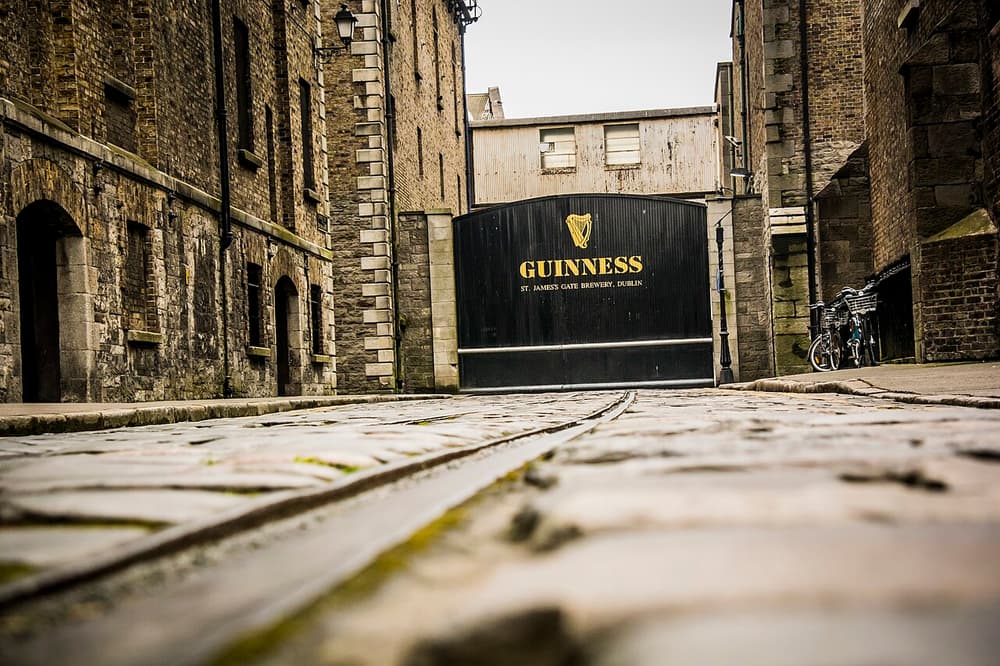
Arthur Guinness signed a 9,000-year lease on the St James’s Gate brewery in 1759. The Storehouse, a converted fermentation plant, tells the story across seven floors built around a giant pint-glass atrium. It is unashamedly a brand experience, and a well-made one; the view from the Gravity Bar is the reward.
Practical: About 20–25 minutes’ walk west of the centre, or Luas Red Line to James’s. Timed tickets; allow 1.5–2 hours. Over-18s only for alcohol.
3 Kilmainham Gaol
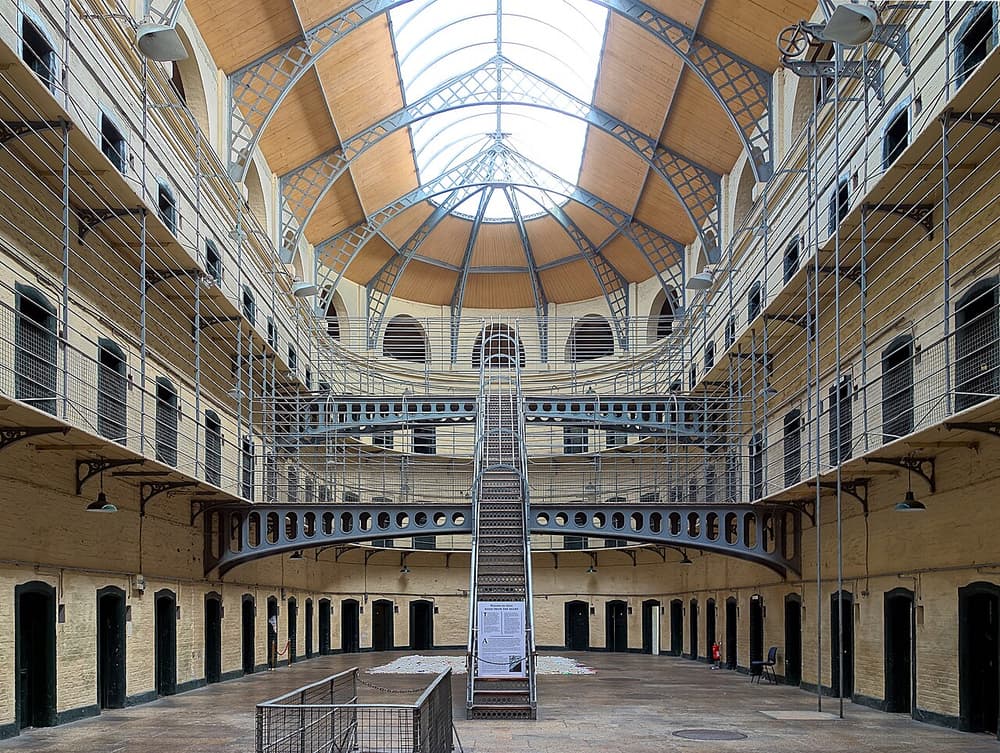
Opened in 1796 and closed in 1924, Kilmainham held generations of Irish nationalists; fourteen leaders of the 1916 Easter Rising were shot in its stone-breakers’ yard. Visits are by guided tour only, through the chilling older wing and the Victorian main hall. Nowhere explains modern Ireland better.
Practical: Run by the OPW. Tickets are released online a few weeks ahead and sell out — book as soon as your dates are fixed. About 1.5 hours with the museum. Bus or Luas to Suir Road.
4 Temple Bar & the Liffey quays
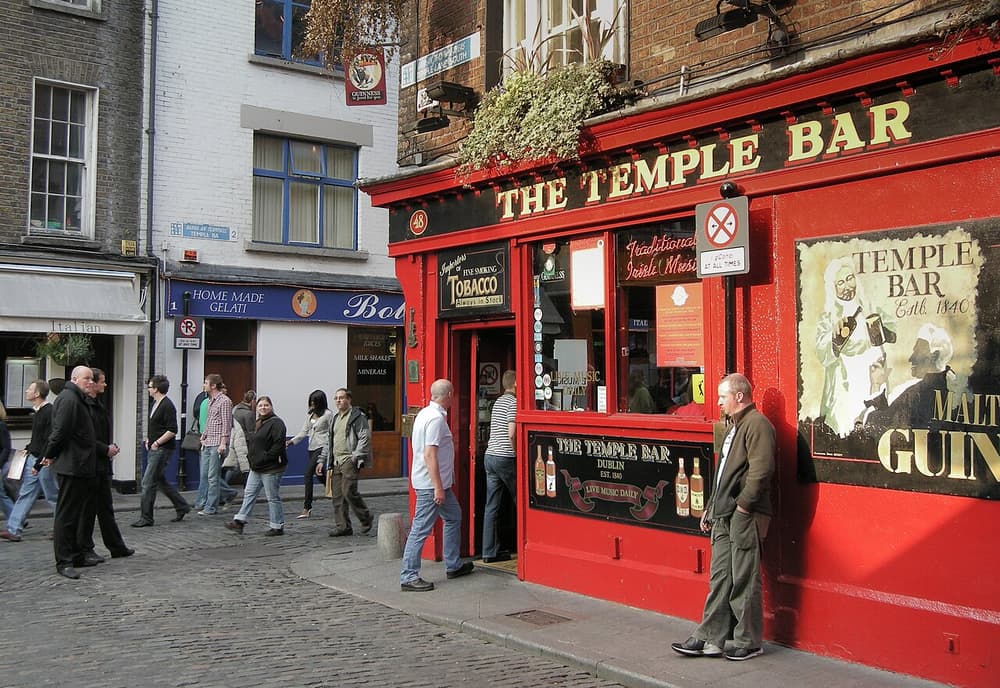
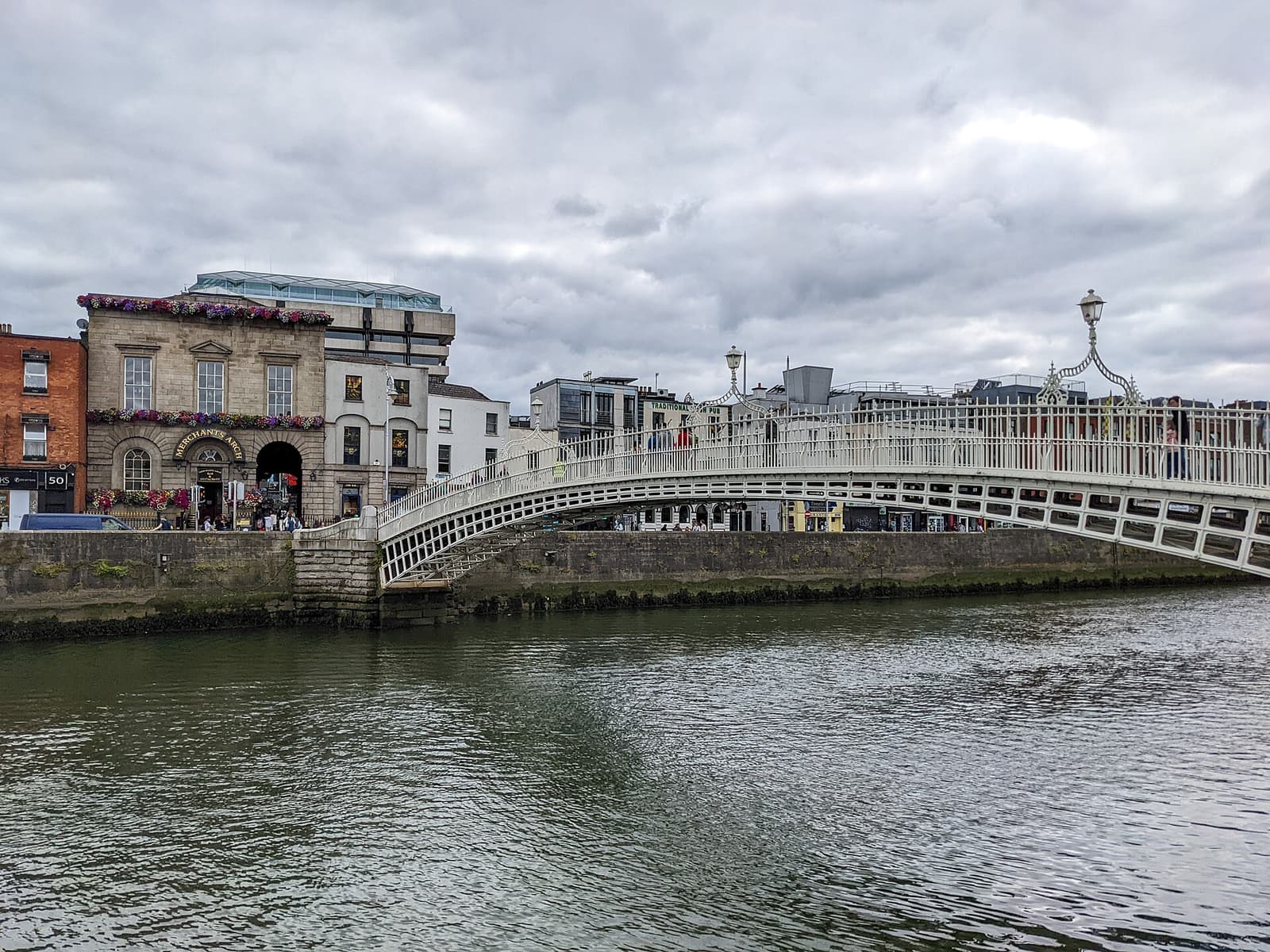
The cobbled quarter between Dame Street and the river is Dublin’s busiest nightlife district, with street musicians, galleries and the pedestrian Ha’penny Bridge of 1816. It is touristy and its pints are the dearest in town, but it is good for a daytime stroll, the Saturday food market and live music at any hour. Dubliners drink elsewhere — try the old pubs around Grafton Street and Baggot Street.
Practical: Free to wander. Best in daylight or early evening; late on weekend nights it is rowdy.
5 Dublin Castle & the Chester Beatty
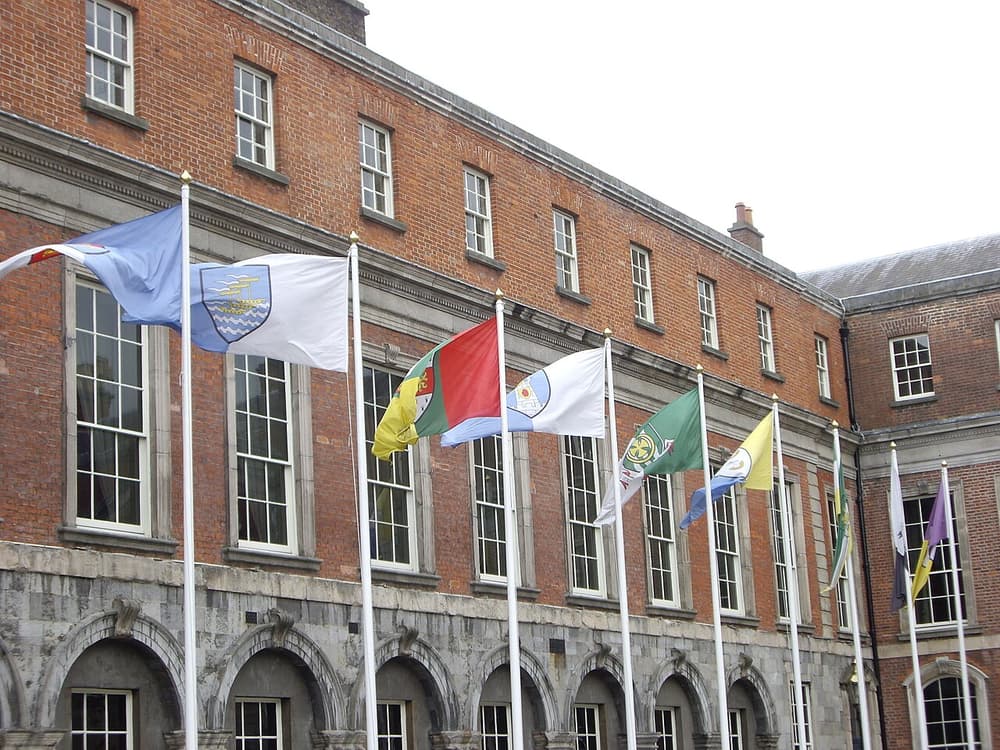
For seven centuries the castle was the centre of English, then British, rule in Ireland; it was handed over to the new Irish state in 1922. The State Apartments are open to visitors. In the castle garden, the Chester Beatty holds one of the world’s finest collections of manuscripts, prints and sacred texts.
Practical: State Apartments ticketed (OPW; covered by the Heritage Card); guided tours add the medieval undercroft and Chapel Royal. The Chester Beatty is free. Allow 1–2 hours.
6 St Patrick’s & Christ Church cathedrals
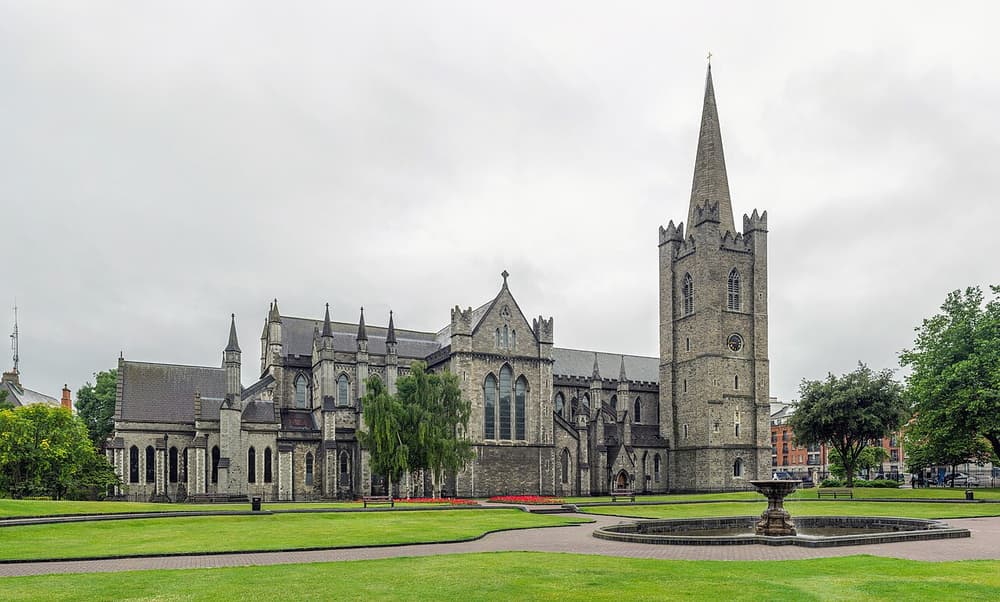
Dublin has two medieval cathedrals a few minutes apart, both Church of Ireland. St Patrick’s, the larger, is where Jonathan Swift was dean and is buried. Christ Church, founded in Viking times, has a vast crypt.
Practical: Both charge admission and are places of worship — visiting hours are restricted on Sundays and during services. About 45 minutes each.
7 EPIC & the Docklands
EPIC The Irish Emigration Museum fills the brick vaults of the CHQ building with the stories of people who left Ireland and of their descendants. Outside, the famine memorial statues and the replica emigrant ship Jeanie Johnston stand on the quay, in the middle of the glass-and-steel Docklands.
Practical: About 15 minutes’ walk east of O’Connell Bridge. Ticketed; allow 1.5–2 hours. The Jeanie Johnston is a separate visit.