 Republic of Ireland
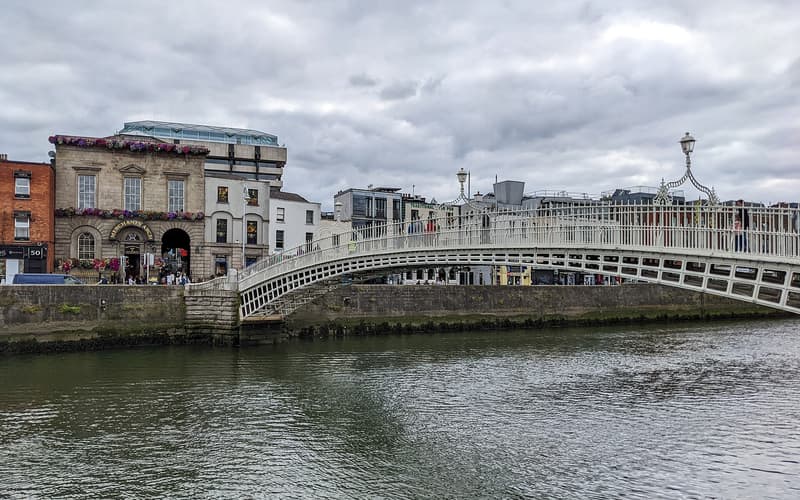
Dublin
The capital: Trinity College and the Book of Kells, Kilmainham Gaol, the Guinness Storehouse, Georgian squares and a pub on every corner.
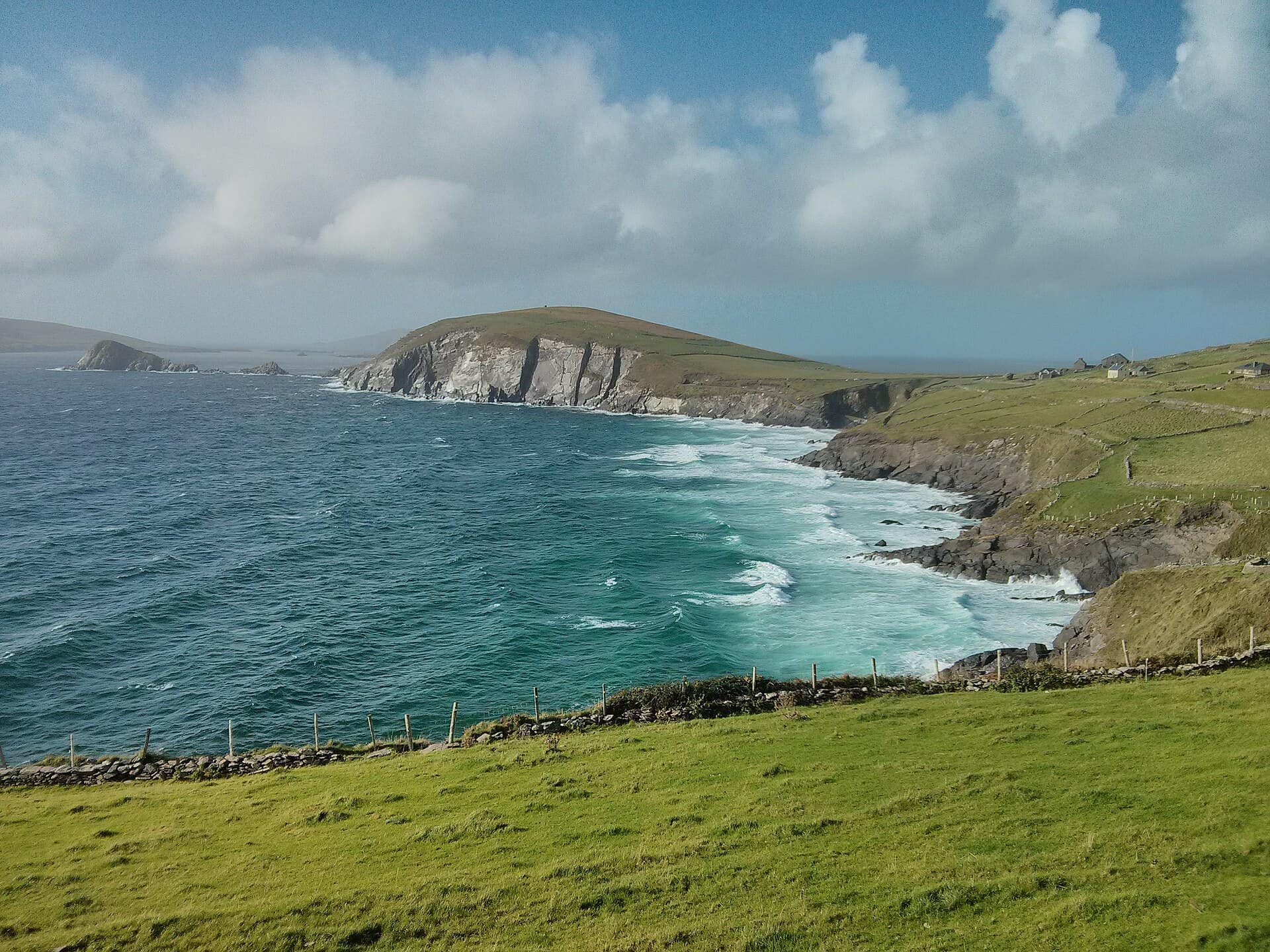
Two jurisdictions, one small green island: Georgian Dublin and Titanic Belfast, the Cliffs of Moher and the Giant’s Causeway, Kerry’s mountain roads and Donegal’s empty beaches. Twelve destination guides, honest logistics and the tours worth booking.
The island of Ireland is roughly 485 km from north to south and 275 km across — you could drive its length in a day. Almost nobody should. The pleasure is in the detours: a harbour pub, a ruined abbey in a field, a single-track road that ends at a beach.
This portal covers the whole island. The Republic of Ireland takes up about five-sixths of it; Northern Ireland, in the north-east, is part of the United Kingdom. For a visitor the border is invisible on the road, but the currency, road signs and entry rules change — every page here says clearly which side you are on.
Republic of Ireland: euro (€), distances and speed limits in kilometres, an EU member that is not in the Schengen area. Northern Ireland: part of the UK, pound sterling (£), miles per hour. There are no routine border checks between them, but each has its own entry rules — a visa or travel authorisation for one is not automatically valid for the other. See the travel guide before you book a cross-border trip.
Each destination is a small guide in itself: overview, tours and tickets, things to see, getting there, a practical travel guide and when to go.
Republic of Ireland The capital: Trinity College and the Book of Kells, Kilmainham Gaol, the Guinness Storehouse, Georgian squares and a pub on every corner.
 Republic of Ireland
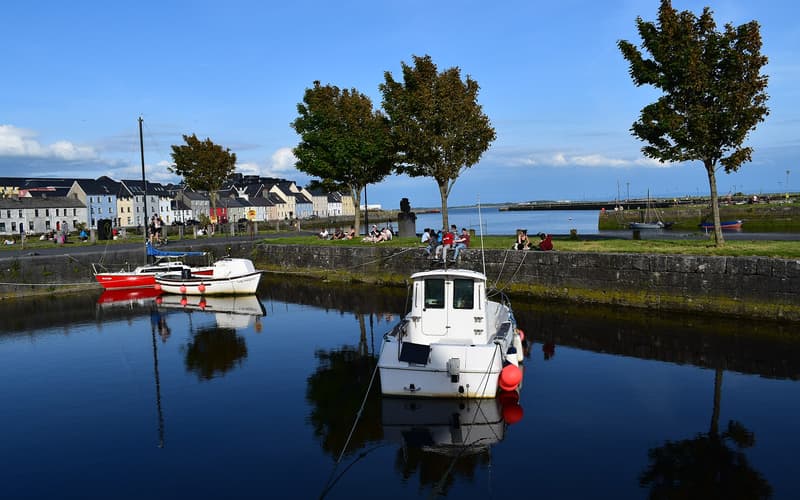
Ireland’s most musical small city, with the mountains, bogs and beaches of Connemara and the Aran Islands on its doorstep.
 Republic of Ireland
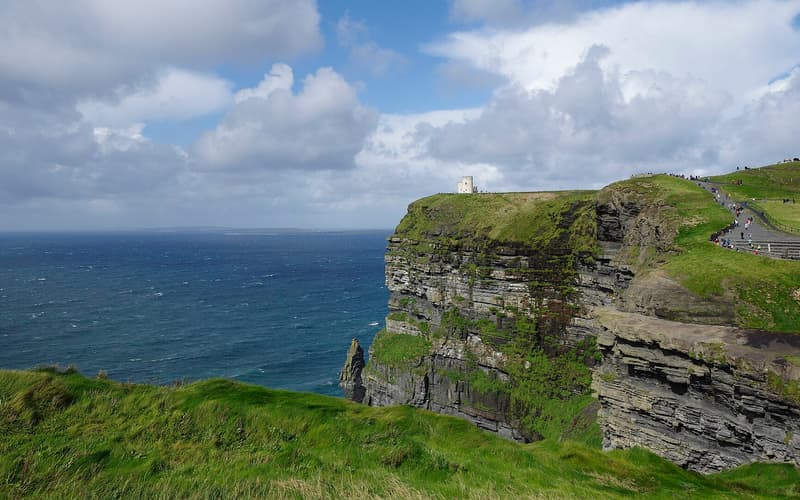
Ireland’s most famous sea cliffs, the moonscape limestone of the Burren and the music village of Doolin, in County Clare.
 Republic of Ireland
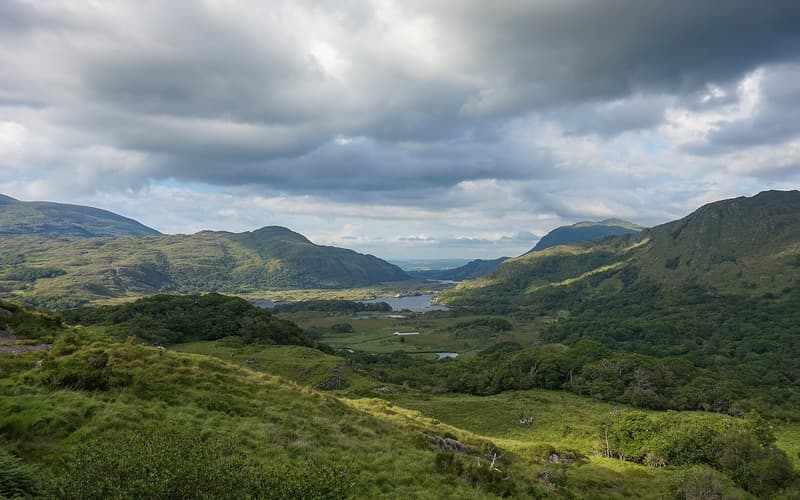
Lakes, oakwoods and Ireland’s highest mountains in Killarney National Park, and the 179 km Ring of Kerry coast road.
 Republic of Ireland
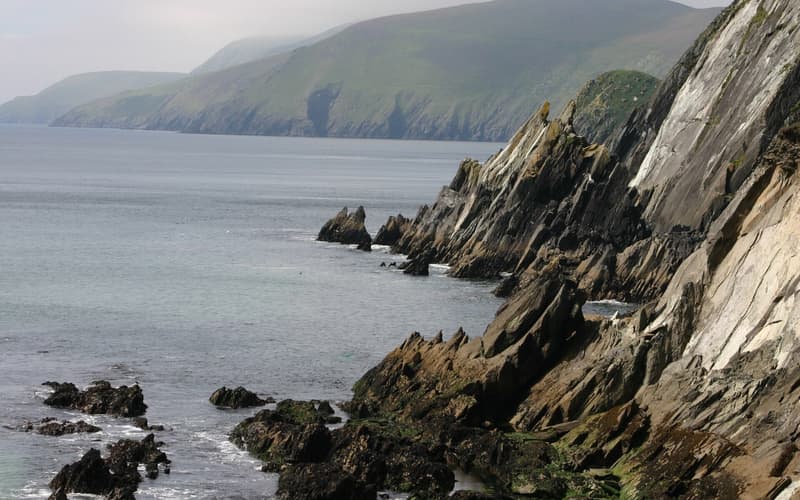
A harbour town full of music, and the Slea Head Drive past beehive huts, beaches and the Blasket Islands at Europe’s western edge.
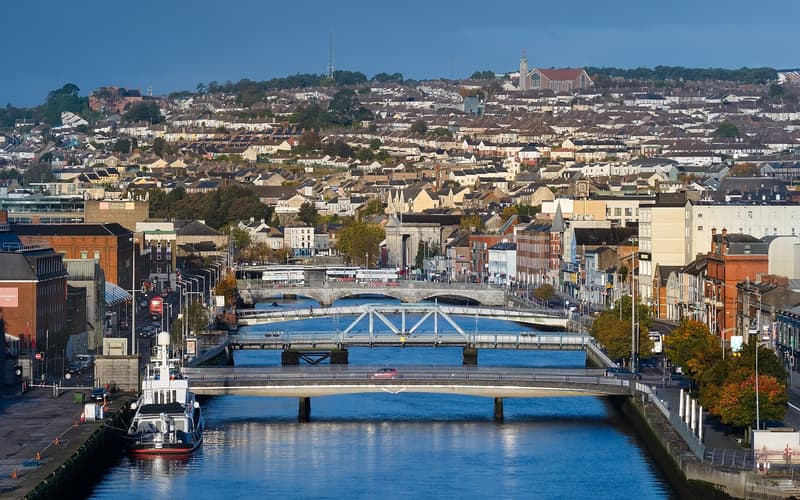 Republic of Ireland
Ireland’s second city and its food capital, with the harbour towns of Cobh and Kinsale and Blarney Castle close by.
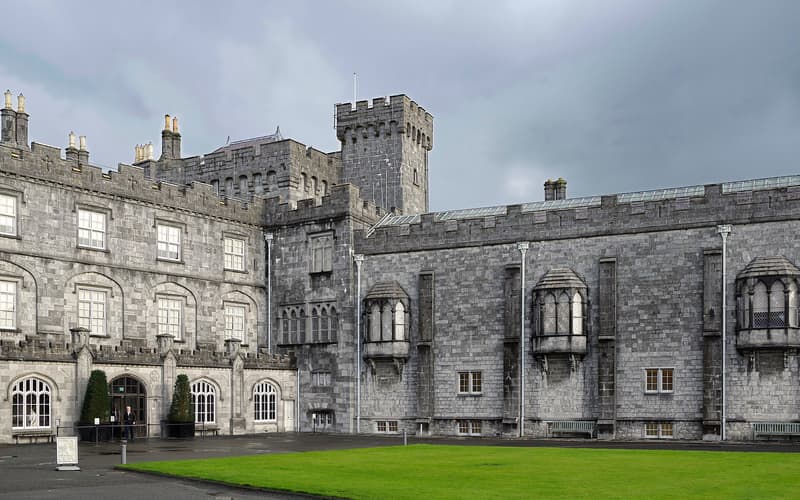 Republic of Ireland
A medieval city of castle, cathedral and craft, at the centre of a region of monasteries, high kings and 5,000-year-old tombs.
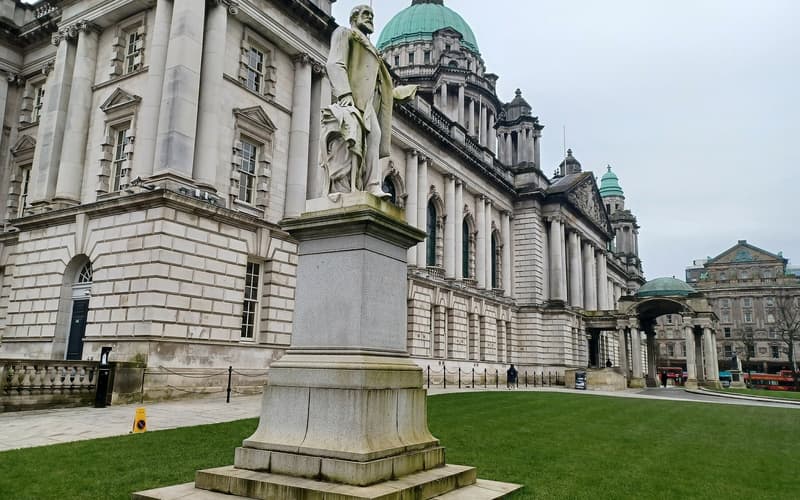 Northern Ireland (UK)
Northern Ireland’s capital: the Titanic’s birthplace, Victorian grandeur, political murals and a city centre full of new energy.
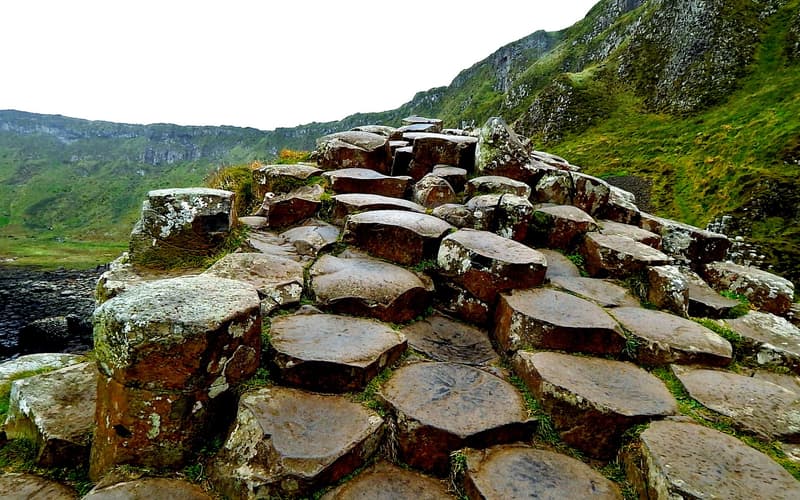 Northern Ireland (UK)
The Giant’s Causeway, Carrick-a-Rede rope bridge, Dunluce Castle and the Dark Hedges on Northern Ireland’s north coast — plus the walled city of Derry~Londonderry.
 Republic of Ireland
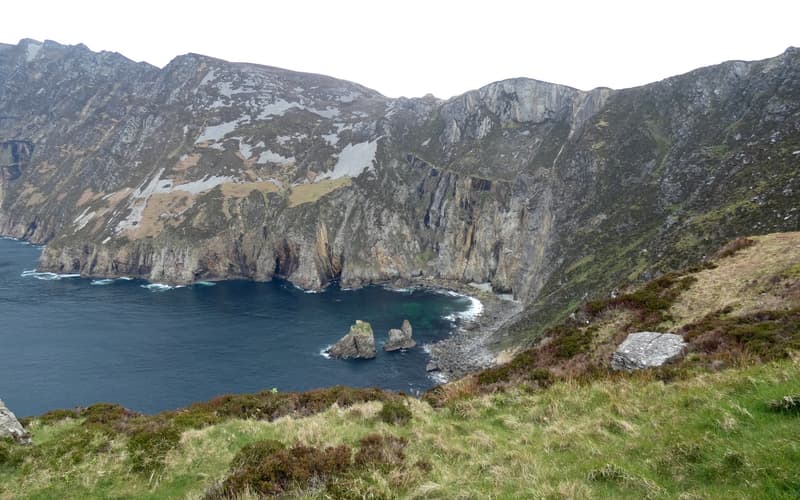
Ireland’s wild north-west: the towering Slieve League cliffs, Glenveagh National Park, Malin Head and miles of empty Atlantic beach.
 Republic of Ireland
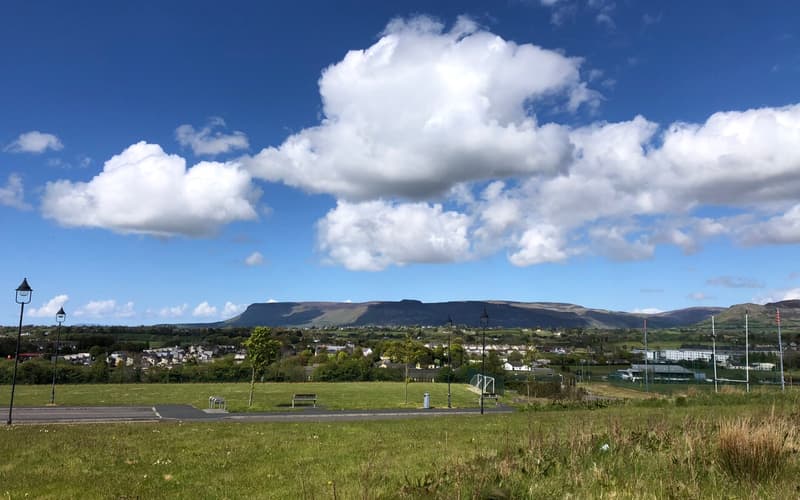
Yeats country under Benbulben, the Georgian town of Westport, the pilgrim mountain Croagh Patrick and Achill Island’s cliffs and beaches.
 Republic of Ireland
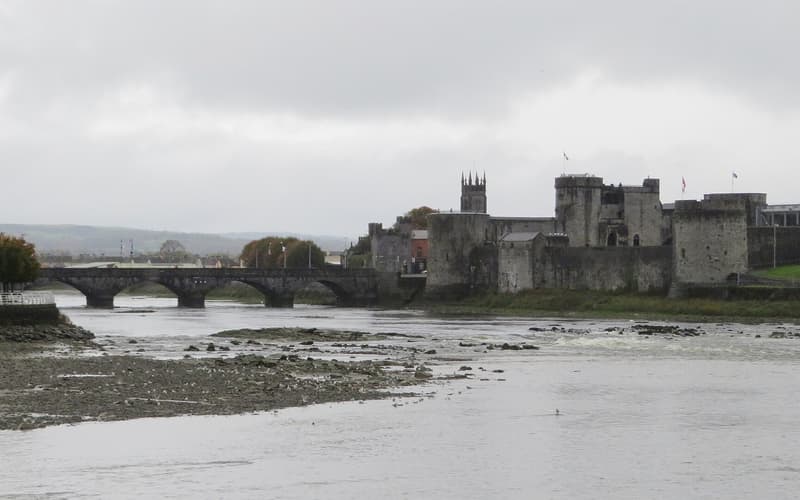
A Viking and Georgian city on Ireland’s longest river, with Bunratty Castle, thatched Adare and Shannon Airport — the easy gateway to the west.
If you only have a week, build it around two or three of these.
Eight kilometres of sheer Atlantic cliff in County Clare, with the limestone Burren behind. Come early or late in the day, or see them from a boat out of Doolin.
Some 40,000 basalt columns stepping into the sea on the Antrim coast of Northern Ireland, with a rope bridge, a clifftop castle and a whiskey distillery within a few miles.
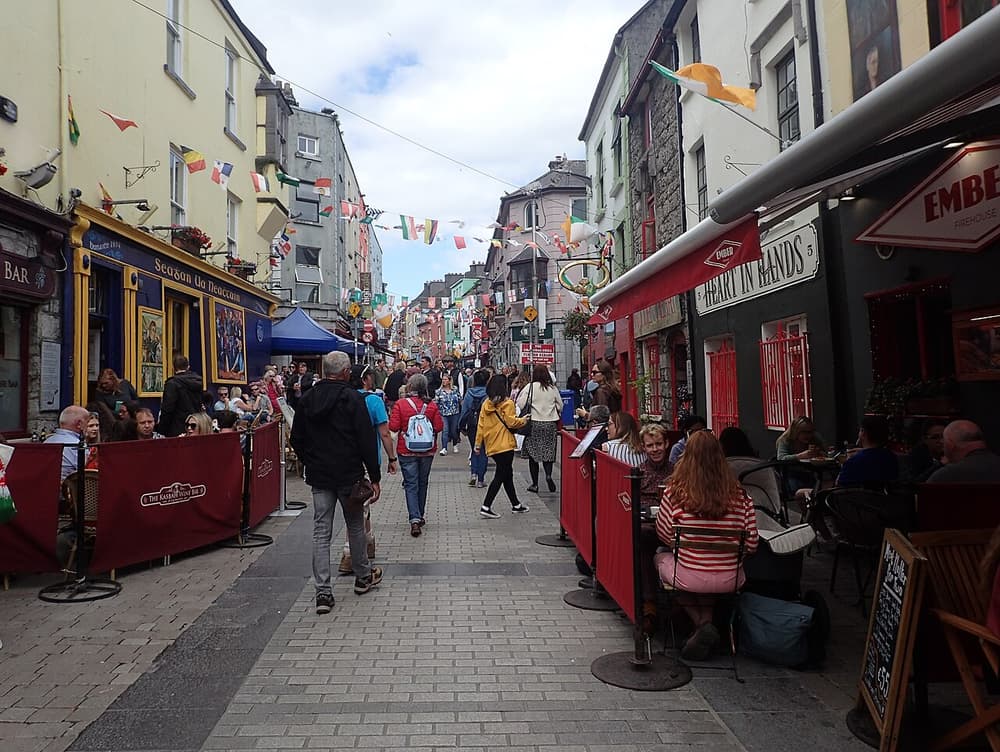
Fiddles, flutes and a bodhrán in the corner of a bar in Galway, Dingle, Doolin or Westport. No stage, no ticket — just buy a drink and listen.
The south-west’s peninsulas are Ireland’s classic road trips: stone forts, beehive huts, mountain passes and views to the Blasket and Skellig islands.
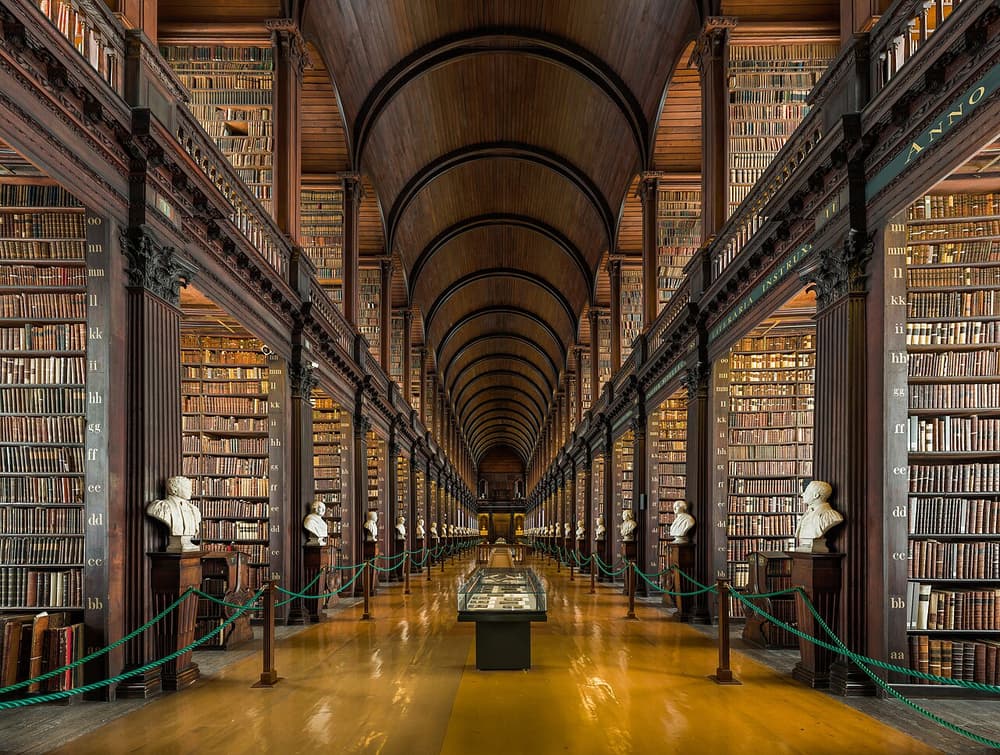
The Book of Kells at Trinity College, Kilmainham Gaol, the Guinness Storehouse and the emigration story at EPIC — the capital rewards booking ahead.
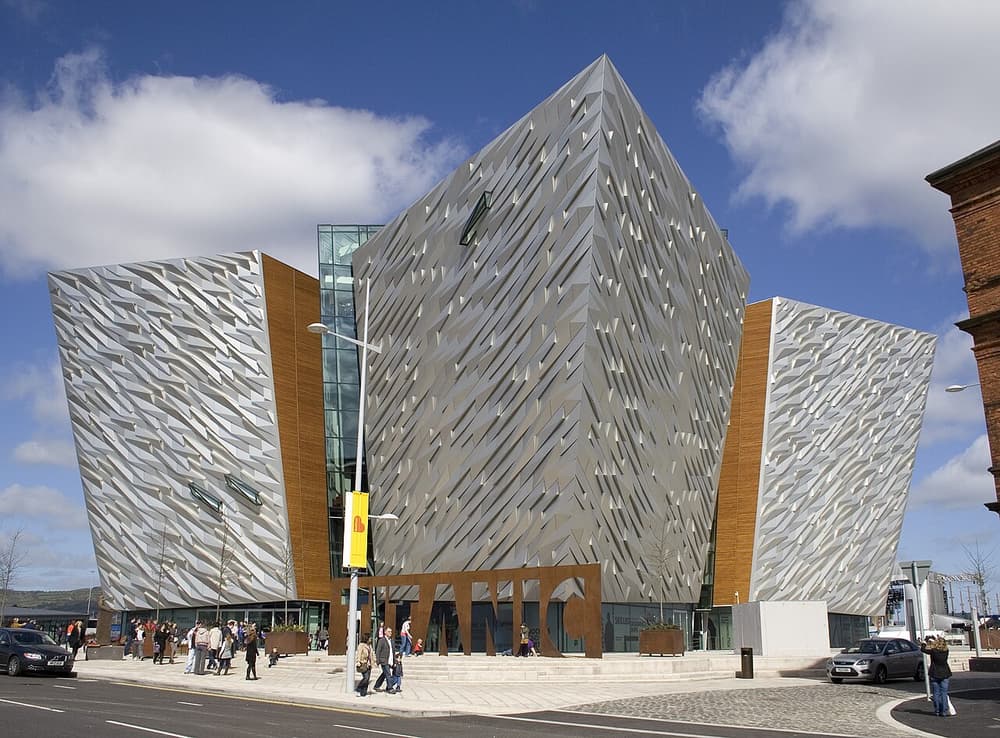
Titanic Belfast on the slipways where the ship was built, and a black-cab tour of the murals and peace walls that explains the city with care.
Real, bookable tours and tickets from GetYourGuide, chosen from several destinations — the ones that sell out first in summer.
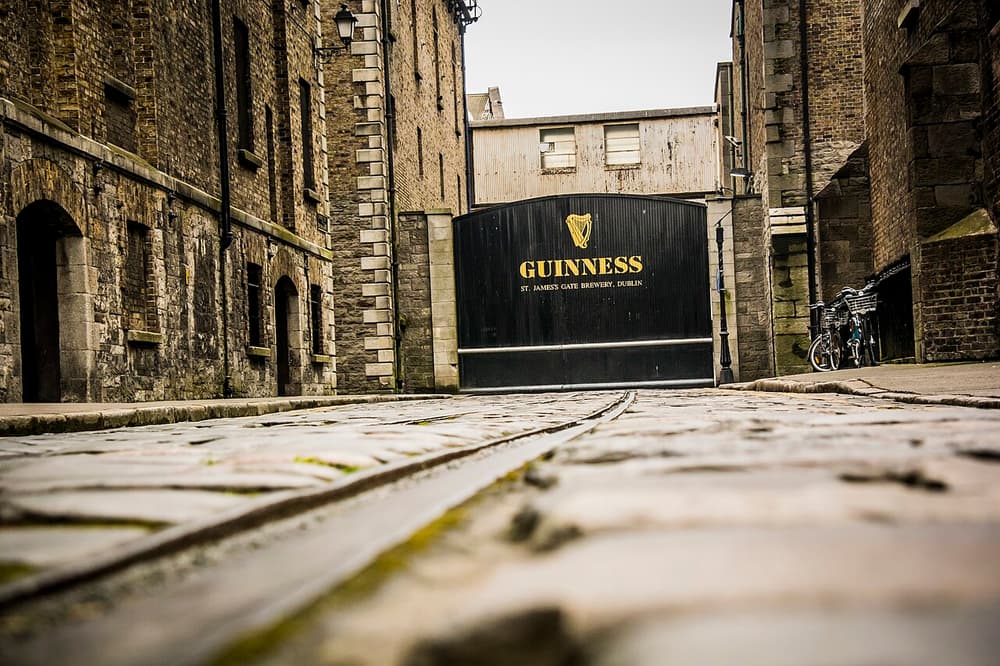 Ticket from €37
Self-guided visit through seven floors on brewing, advertising and the Guinness family, finishing with a pint (or soft drink) in the Gravity Bar, with its 360-degree view over the city.
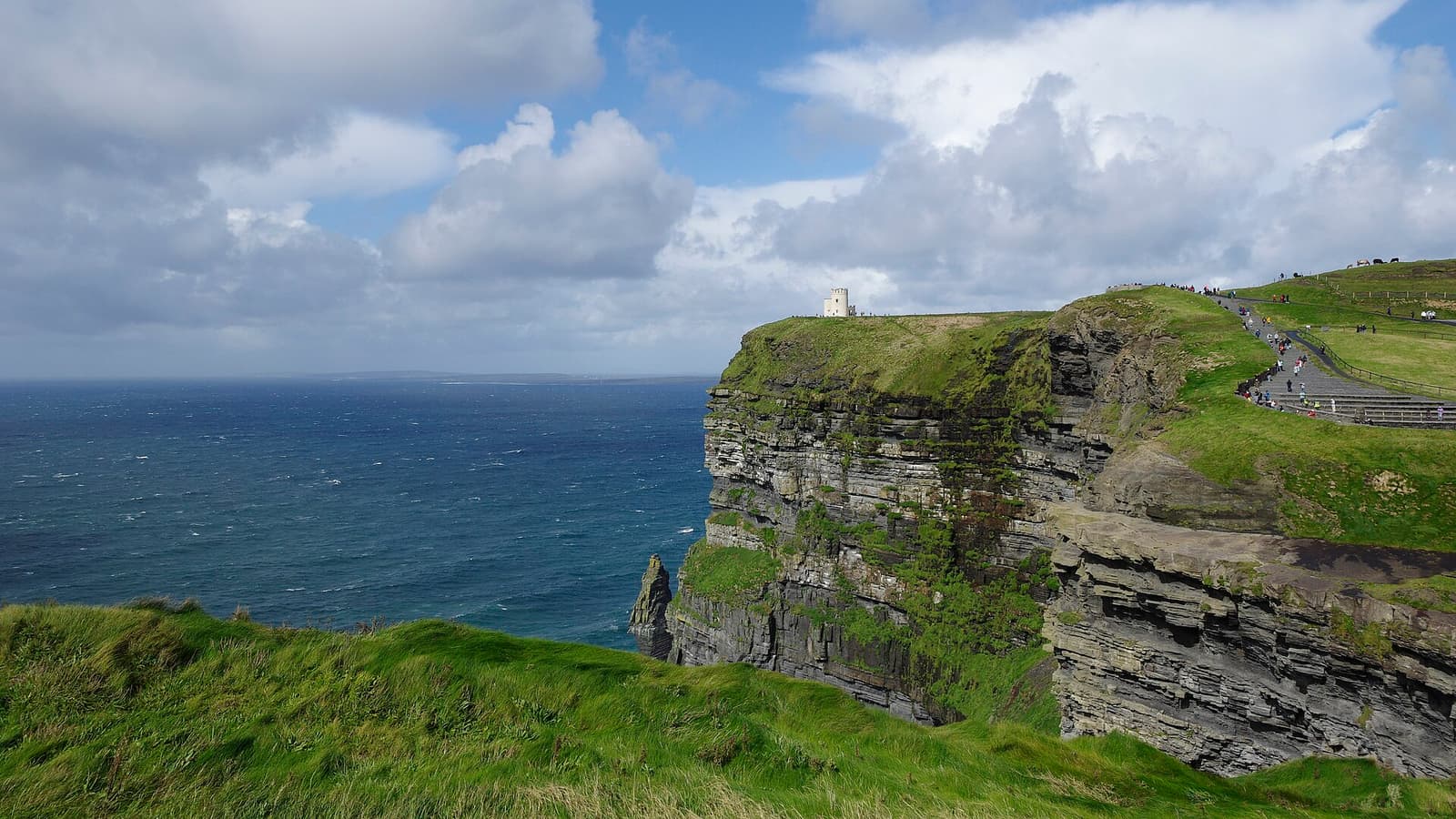 Day trip from €78
Ireland’s best-selling day trip: across the country by coach to the Cliffs of Moher, through the limestone Burren and back via Galway. A long day, with no driving.
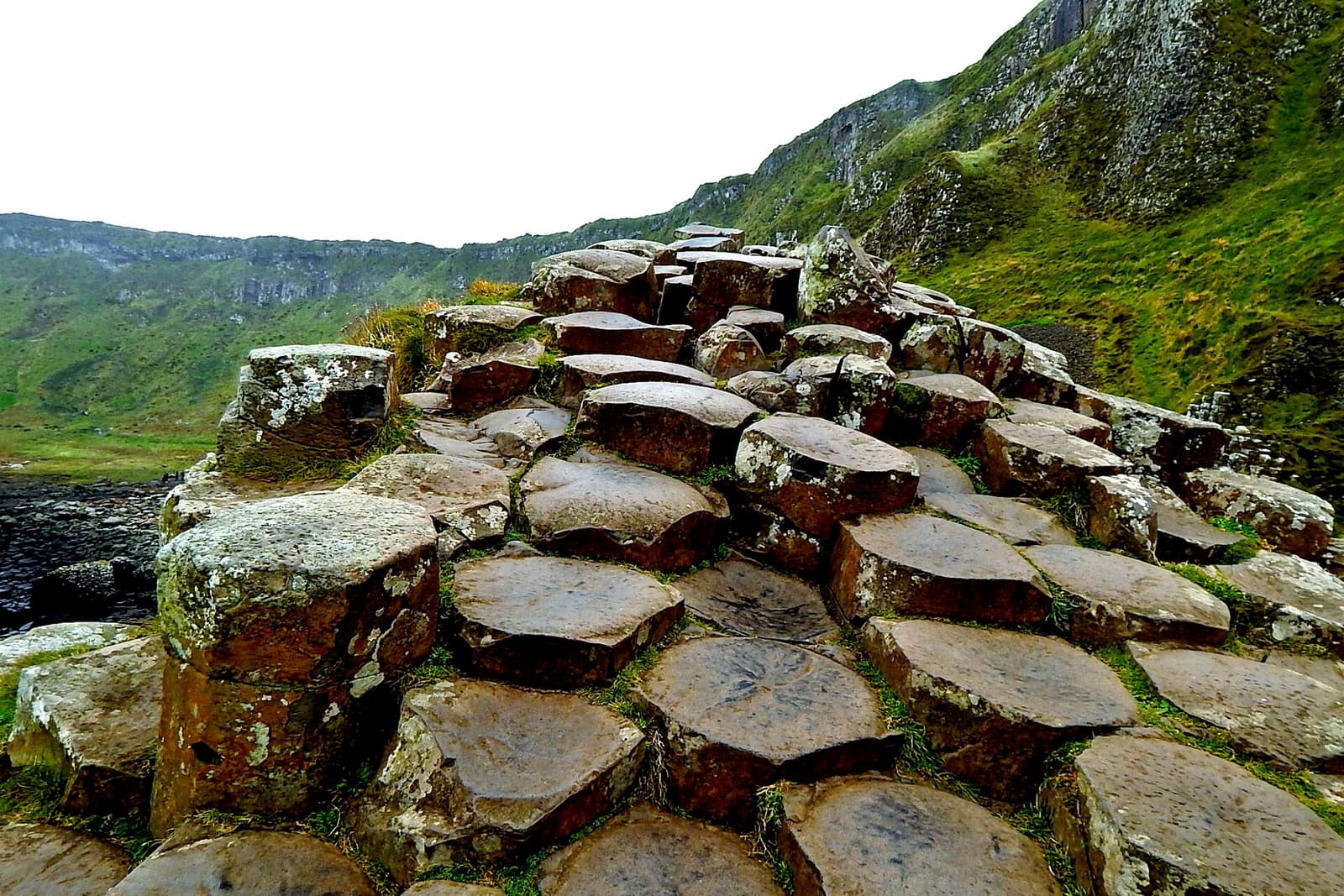 Day trip from €29
The most popular day out of Belfast: the Antrim coast, Carrickfergus Castle, the Dark Hedges, Dunluce Castle and time at the Giant’s Causeway.
Ticket from €32 Timed entry to the nine galleries telling the ship’s story from boomtown Belfast to the wreck on the seabed, plus a visit to SS Nomadic, the last surviving White Star Line vessel.
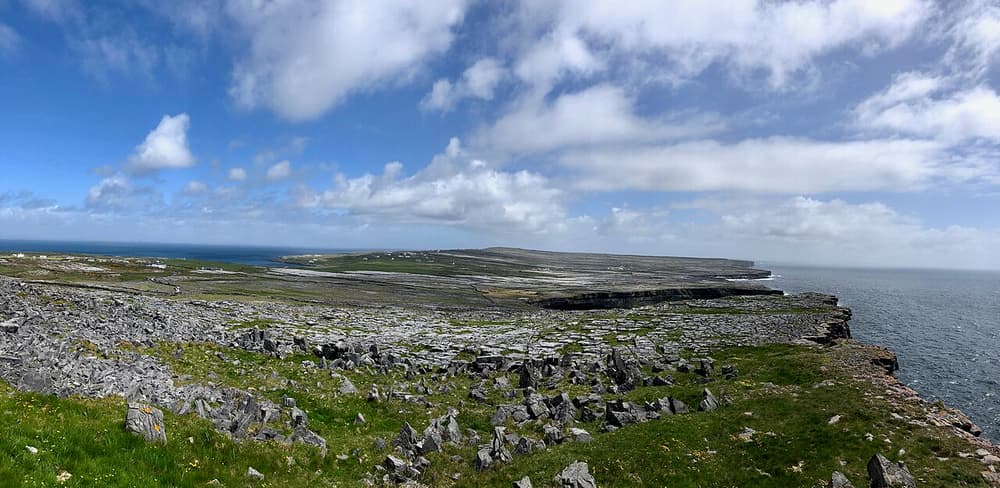 Day trip from €80
Coach to Doolin, ferry to Inisheer, the smallest Aran island, then a cruise back beneath the Cliffs of Moher. Sea conditions can change the programme.
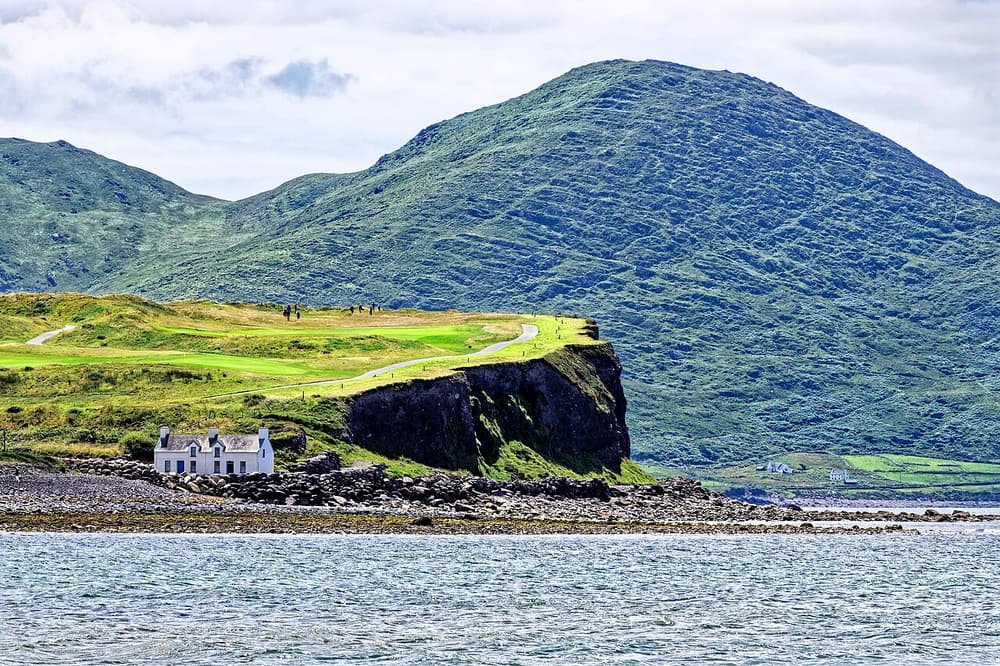 Day trip from €49
The full circuit of the Iveragh Peninsula by coach, with stops for views, villages and lunch — typically Killorglin, Cahersiveen, Waterville, Sneem, Moll’s Gap and Ladies View.
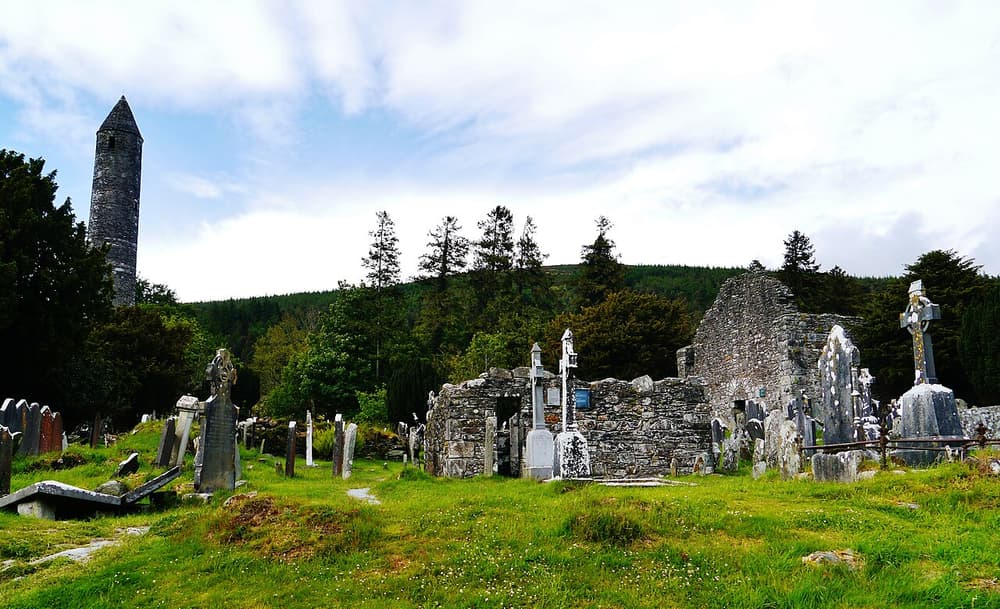 Day trip from €45
South through the Wicklow Mountains to the monastic valley of Glendalough, then on to the medieval streets and castle of Kilkenny.
 Day trip from €45
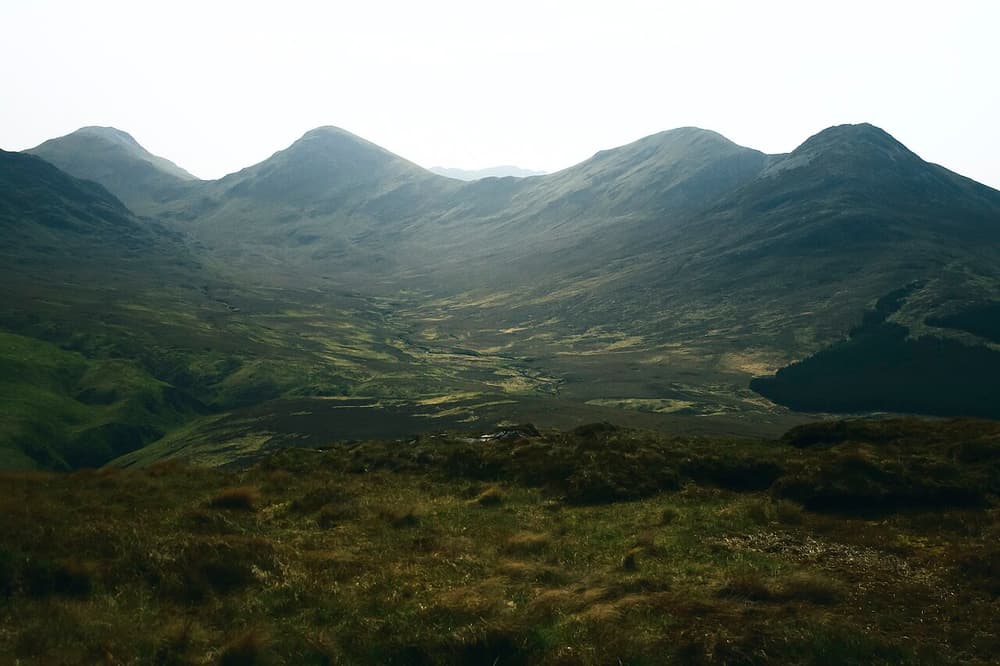
A circuit through Connemara’s lakes and mountains to the village of Cong, where The Quiet Man was filmed, on the Mayo border.
A quick comparison — follow any name for the full guide.
| Destination | Best for | Ideal stay | Without a car? |
|---|---|---|---|
| Dublin | Museums, pubs, literary and political history, day trips | 2–3 nights | Easy — walk, tram and bus |
| Galway & Connemara | Music, food, festivals; lakes and mountains to the west | 2–3 nights | City yes; Connemara by day tour |
| Cliffs of Moher & the Burren | Sea cliffs, limestone landscape, trad music in Doolin | 1–2 nights | Possible by bus or day tour |
| Killarney & the Ring of Kerry | National park, lakes, the classic coach-and-car loop | 2–3 nights | Yes — train to Killarney, tours from town |
| Dingle Peninsula | Slea Head Drive, Irish-speaking villages, seafood | 2 nights | Bus to Dingle; tours for Slea Head |
| Cork & Kinsale | Food market, harbour towns, Blarney and Cobh | 2 nights | Easy — train and local buses |
| Kilkenny & the Ancient East | Medieval city, monastic sites, passage tombs | 1–2 nights | Kilkenny yes; other sites by tour or car |
| Belfast · Northern Ireland (UK) | Titanic story, political history, Victorian architecture | 2 nights | Easy — compact, good buses |
| Causeway Coast · Northern Ireland (UK) | Giant’s Causeway, castles, coastal walks, Derry’s walls | 1–2 nights | Train and bus work; day tours from Belfast |
| Donegal | Wild cliffs, empty beaches, Gaeltacht culture | 2–3 nights | Hard — a car is strongly advised |
| Sligo & Mayo | Yeats country, Croagh Patrick, Achill, greenway cycling | 2–3 nights | Towns by train; coast needs a car or bike |
| Limerick & Shannon | Castles, Georgian streets, an easy arrival via Shannon | 1–2 nights | Yes for the city, Bunratty and Adare by bus |
Ireland is mild all year and rarely either hot or freezing. What changes is the daylight, the crowds and the prices.
Lengthening days, lambs and gorse in flower. St Patrick’s Festival in mid-March; May is often one of the driest, brightest months.
Up to about 17 hours of daylight and every festival, ferry and boat trip running. Also the busiest roads and the highest hotel prices.
September is a favourite: still mild, quieter, sea at its warmest. October brings colour, food festivals and shorter days.
Short days, storms on the west coast and some rural sights closed — but cosy pubs, city breaks and the lowest prices.
Realistic routes with sensible driving days, each linking to the destination guides you need.
The capital and the best of the west, with no car needed.
Dublin, Kilkenny, Cork, Killarney and the Cliffs of Moher in one week.
The seven-day loop at a kinder pace, with Dingle, Galway and Connemara added.
A full circuit: the south and west, then Sligo, Donegal, the Causeway Coast and Belfast.
Live prices and dates from GetYourGuide for the island’s main gateway. Every destination guide has its own live list.
From grand city addresses to castle hotels and harbour-town inns — three examples here, and a full list grouped by destination.
Dublin’s grand hotel, facing St Stephen’s Green since 1824; the Irish constitution was drafted in one of its rooms. Five-star comfort and a famous afternoon tea.
The landmark Victorian railway hotel on Eyre Square, beside the station and coach stops — as central as Galway gets.
Belfast’s most opulent hotel, in the former Ulster Bank headquarters in the Cathedral Quarter, with a spectacular domed dining room and a rooftop spa.
Day tours take the narrow roads, the parking and the timed tickets off your hands. Compare tours and tickets across Ireland and Northern Ireland and book in a couple of taps.
Five days is enough for Dublin plus one region, such as Galway and the Cliffs of Moher. Seven to ten days lets you make a loop through the south-west and west. With two weeks you can add Northern Ireland and Donegal. See our sample itineraries.
Northern Ireland is part of the United Kingdom; the rest of the island is the Republic of Ireland, an independent EU member state. There are no routine checks at the land border, but the currency changes from euro to pound sterling and entry rules differ. Check both sets of rules before a cross-border trip — details are in our travel guide.
Not for the cities, and not if you are happy to use day tours for the big sights. Trains and coaches link Dublin with Belfast, Cork, Galway, Killarney, Limerick, Sligo and Westport. A car becomes very useful for Donegal, Connemara, the Dingle and Kerry peninsulas and the Burren. Read getting there and around first — driving is on the left and rural roads are narrow.
May, June and September usually offer the best balance of daylight, weather and crowds. July and August are the busiest and most expensive. Winter is quiet and cheap, with short days. See when to go.
Kilmainham Gaol and the Book of Kells in Dublin, Newgrange (Brú na Bóinne), Skellig Michael landing trips, Carrick-a-Rede rope bridge and Titanic Belfast all use timed or limited tickets. In summer, book accommodation in small places such as Dingle, Doolin and Bushmills well ahead.
It is one of the more expensive destinations in Europe, especially for accommodation in Dublin and in small west-coast towns in July and August. Travelling in May, June or September, booking early and using day tours instead of a hire car all help.