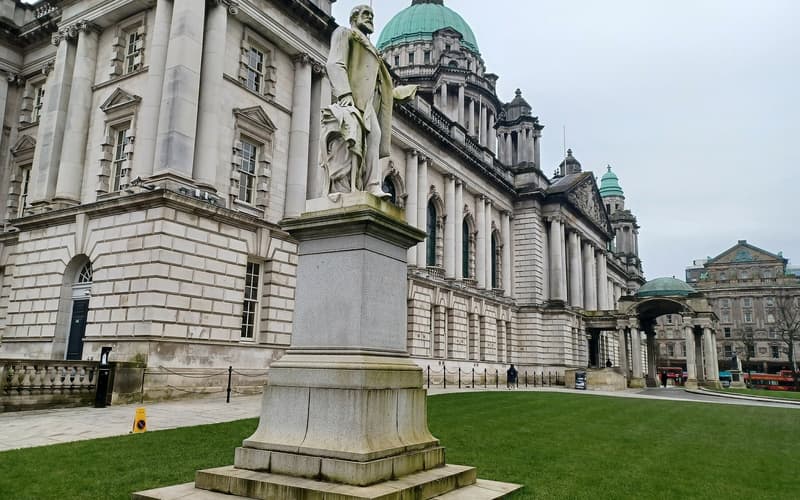
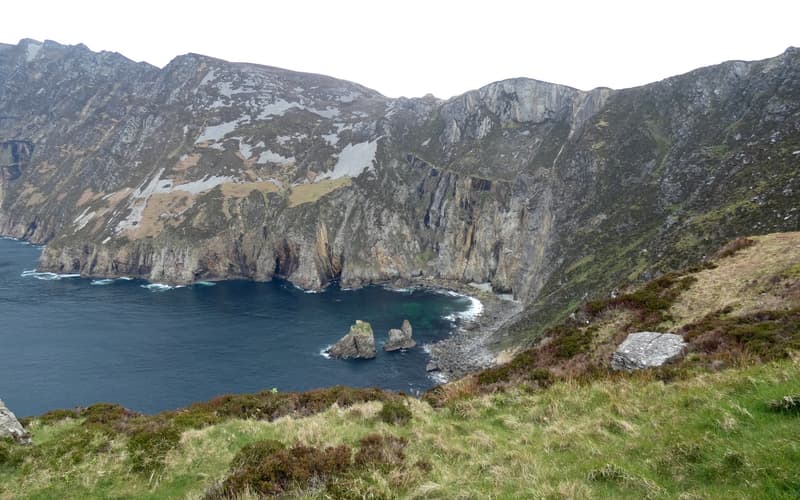
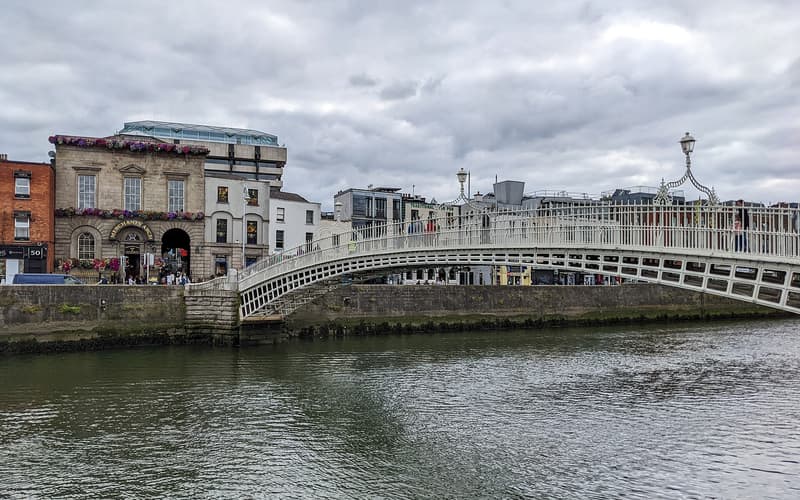
The main sights line the A2 coast road and can be combined in a single long day, travelling east to west or the reverse. Derry is an hour further west and deserves at least half a day of its own.
1 The Giant’s Causeway
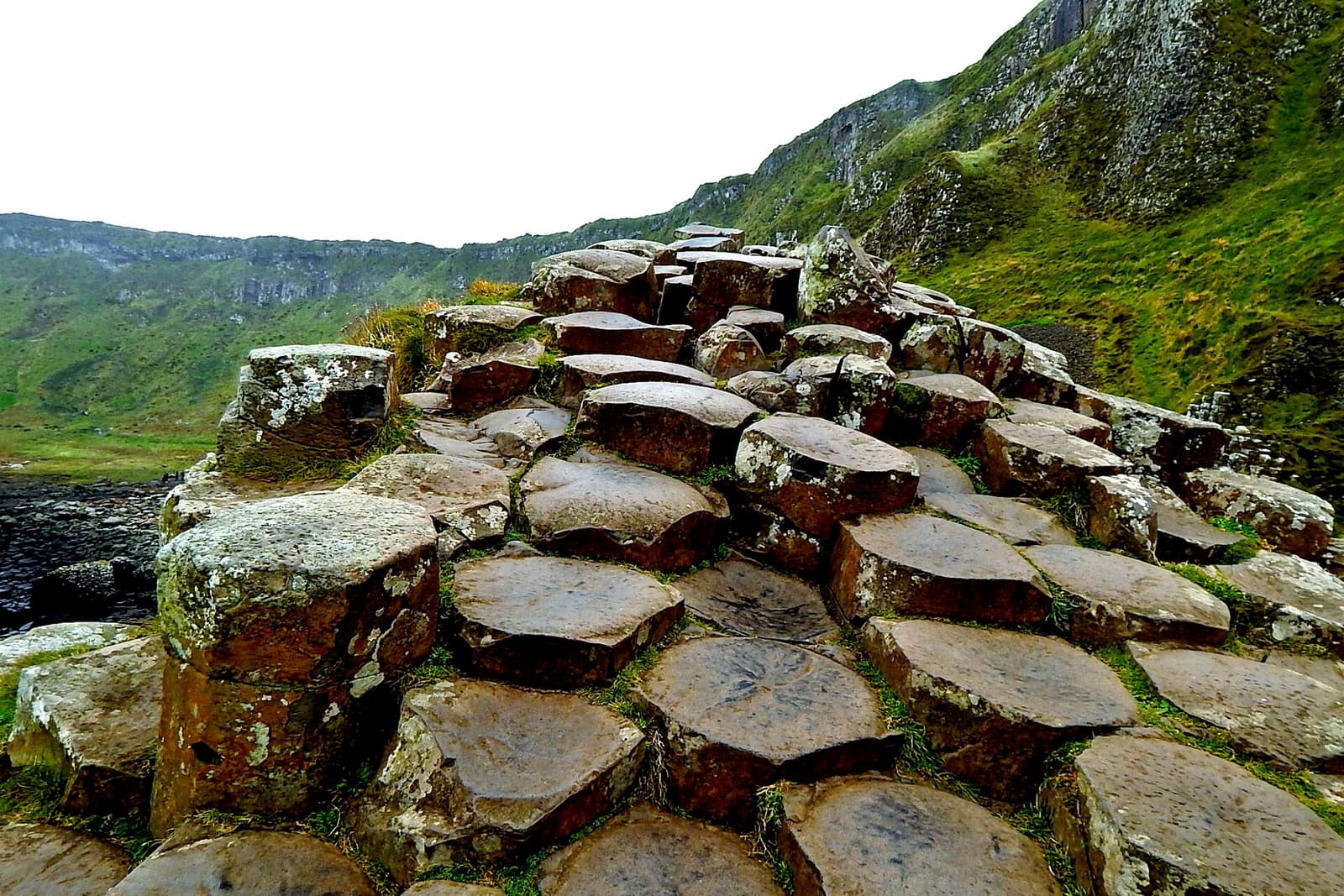
From the visitor centre a road descends for about a kilometre to the Grand Causeway, where the columns step down into the sea in three promontories. Look for formations named the Wishing Chair, the Giant’s Boot and the Organ. Return by the Shepherd’s Steps and the clifftop path for the view from above.
Practical: The stones are free to visit on foot by the public right of way at any hour. The National Trust charges for the Visitor Experience, which includes the centre, audio guide and parking; pre-booking is advised in summer. A shuttle bus runs down to the stones for a small fare. Rocks are slippery when wet. Allow 2–3 hours.
2 Carrick-a-Rede rope bridge
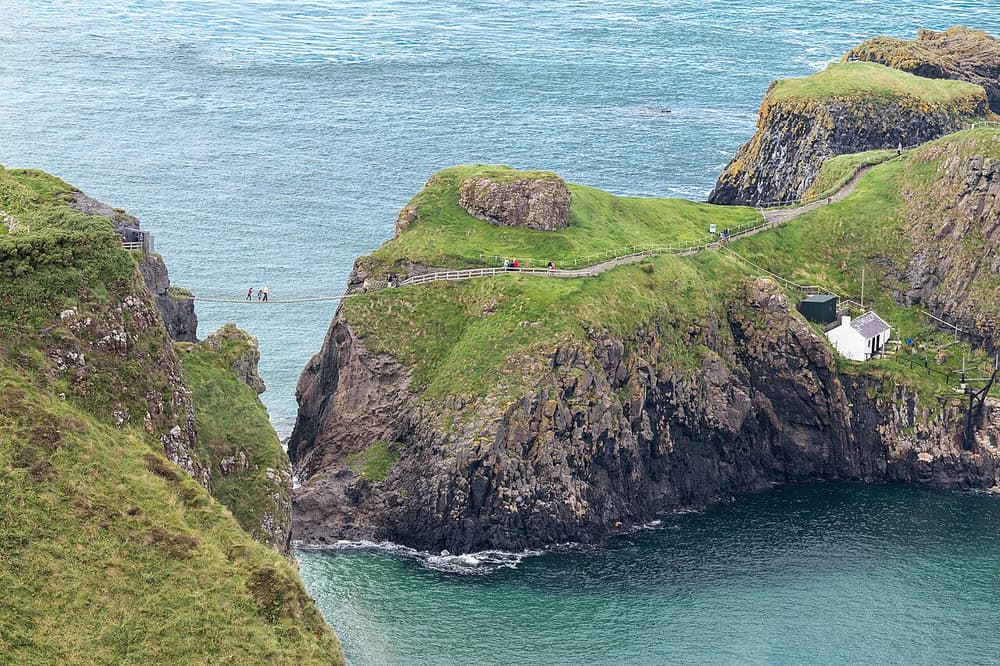
A 20-metre rope bridge, about 30 metres above the water, linking the mainland to a small island where fishermen once netted migrating salmon. The clifftop walk to it, about a kilometre each way, has views to Rathlin Island and Scotland.
Practical: National Trust; timed tickets must be booked for the crossing, and the bridge closes in strong wind. The coastal path and car park are accessible without crossing. Allow 1–1.5 hours.
3 Dunluce Castle
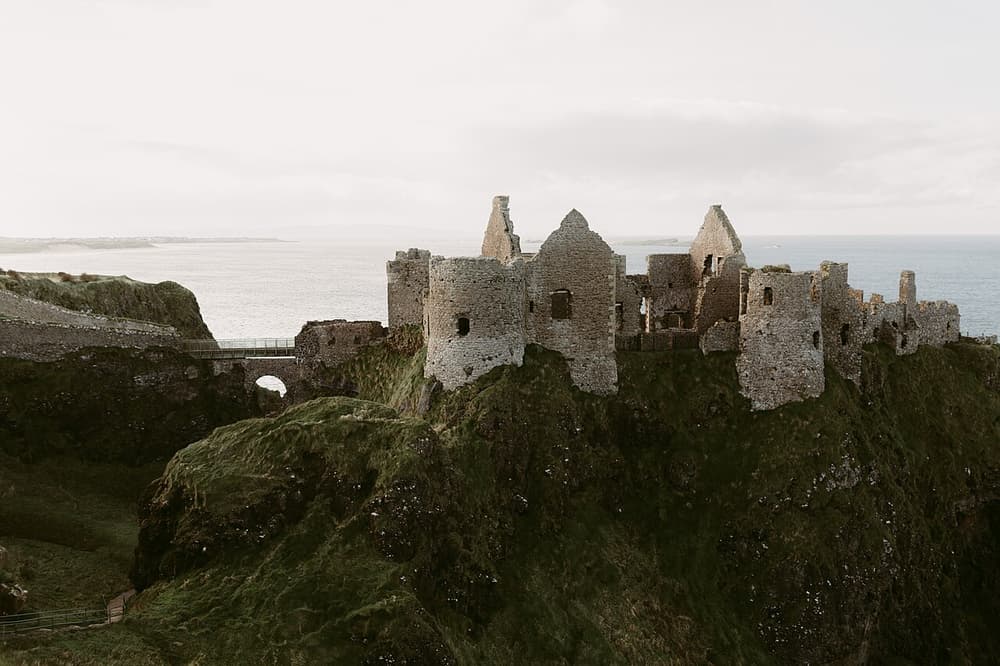
The roofless stronghold of the MacDonnells, Earls of Antrim, on a sheer-sided basalt outcrop joined to the mainland by a bridge. Legend says part of the kitchen fell into the sea during a storm in 1639. It is thought to have inspired C. S. Lewis’s Cair Paravel.
Practical: Between Bushmills and Portrush on the A2. Ticketed, state-run site. Allow 45 minutes; the best photographs are from the lay-by to the east.
4 The Dark Hedges
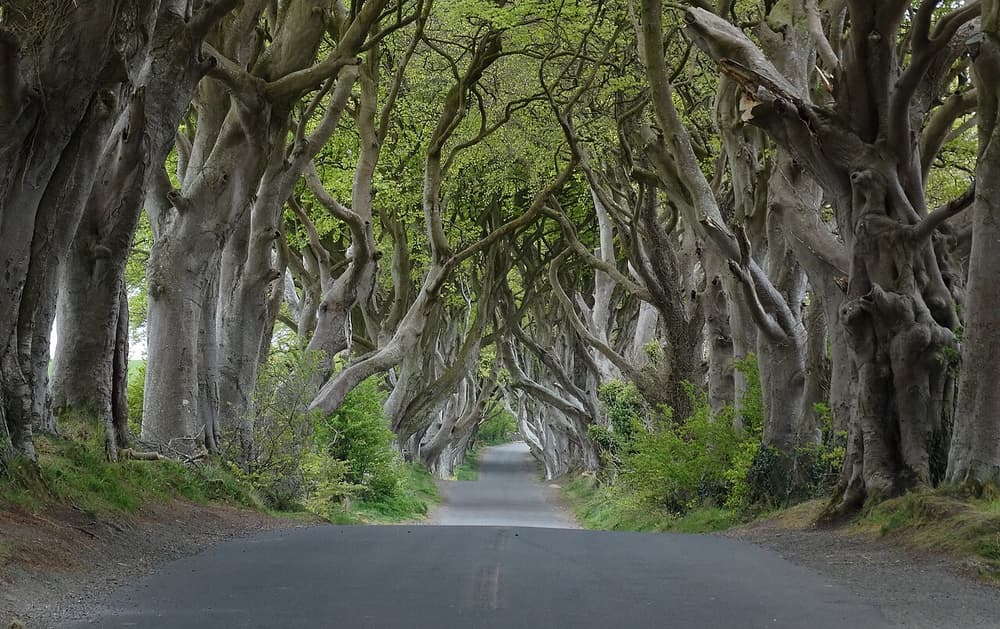
An avenue of beech trees planted by the Stuart family in the eighteenth century to impress visitors approaching their house. The intertwined branches form a tunnel that appeared as the Kingsroad in Game of Thrones.
Practical: On Bregagh Road near Armoy, about 20 minutes inland. Free. The road is closed to vehicles — use the signed car park and walk. Go early or late for an empty view.
5 The Old Bushmills Distillery
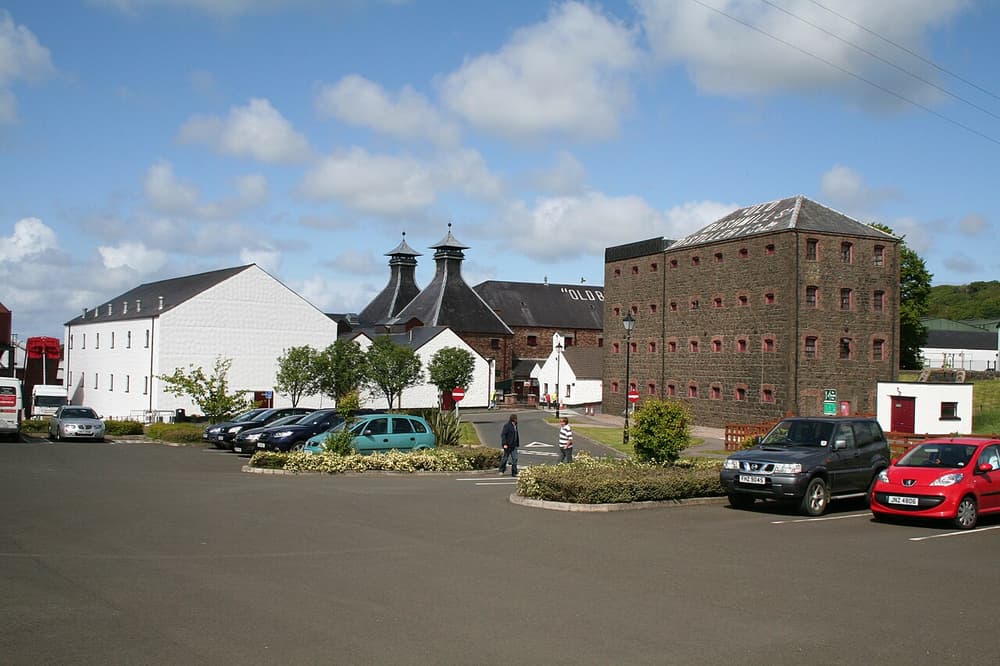
A licence to distil in this district was granted in 1608, and the village distillery still produces triple-distilled single malt. Guided tours follow the process from mash tun to bottling, ending with a tasting.
Practical: In Bushmills village. Tours ticketed, over-18s for tastings, with age limits for children — check ahead. About 1 hour.
6 Mussenden Temple & Downhill
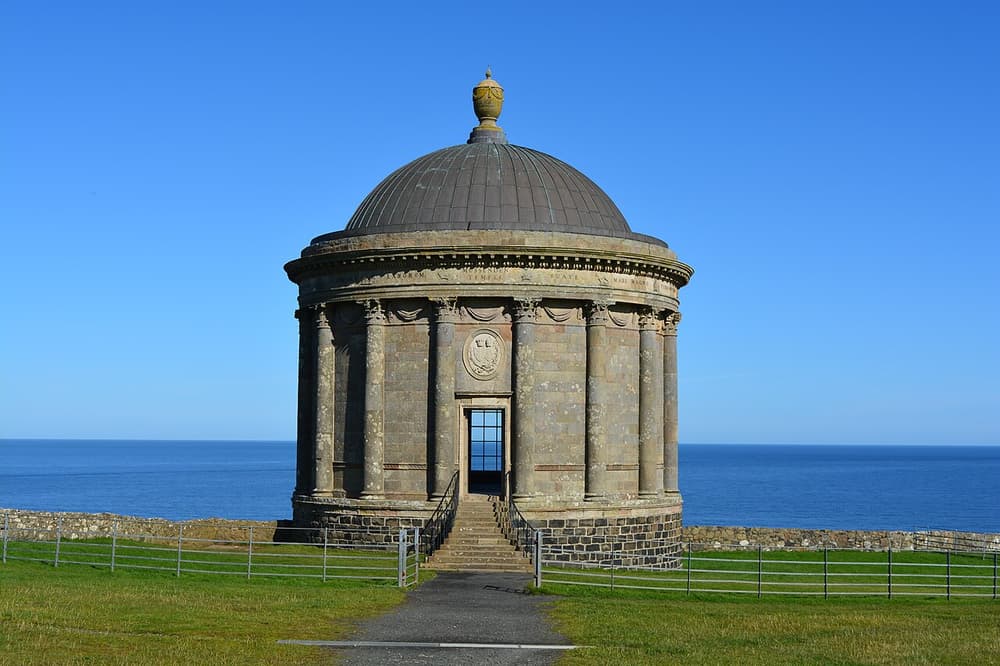
A small domed rotunda built in 1785 as a library by the eccentric Earl-Bishop of Derry, perched on the very edge of a cliff above Downhill Strand, with the ruin of his great house behind. Trains run through a tunnel beneath.
Practical: National Trust; grounds open daily. Benone and Downhill beaches below are among Ireland’s longest.
7 Derry~Londonderry
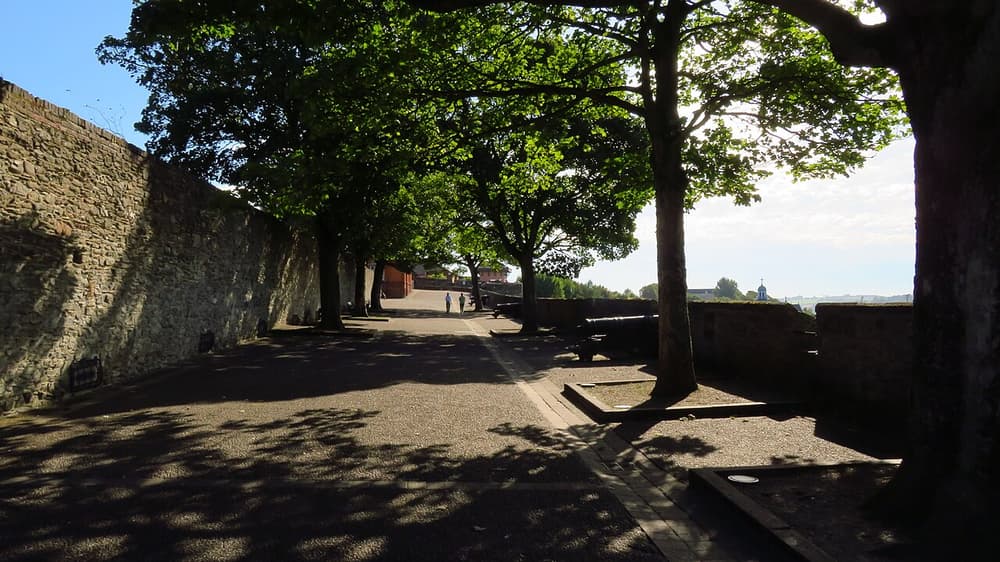
The city’s walls, completed in 1618, have never been breached and can be walked in under an hour, looking in over the Renaissance street plan and out over the Bogside, where the murals of the People’s Gallery and the Museum of Free Derry record the civil-rights movement and Bloody Sunday in 1972. The Guildhall, the Tower Museum and the curving Peace Bridge across the Foyle complete a visit. The city is known as Derry by nationalists and Londonderry by unionists; both names are used officially.
Practical: About 1 hour west of the Causeway, 1 h 45 min from Belfast. The walls are free and open during daylight. A guided walking tour is strongly recommended.